

Trip Facts
Manaslu Region
7 Am
14 Days
English, Hindi, Urdu, Japanese
DAY 01: Arrive in Kathmandu and transfer to Hotel.
DAY 02: Drive from Kathmandu to Baluwa.
DAY 03: Trek from Baluwa to Barpak.
DAY 04: Trek from Barpar to Gar kharka.
DAY 05: Trek from Gar Kharka to Rupina la phedi.
DAY 06: Trek from Rupina la to Rupina la high camp.
DAY 07: Trek to other side Rupina La phedi. By crossing the pass.
DAY 08: Trek from Rupina la phedi to Jarang.
DAY 09: Trek from jarlang to Kharka.
DAY 10: Trek from Kharka to Nyak.
DAY 11: Trek from Nyak to Philim.
DAY 12: Trek from Philim to Dobhan.
DAY 13: Trek from Dobhan to Soti Khola.
DAY 14: Drive back from Soti Khola to Kathmandu.
DAY 15: Departure, Transfer to airport as per flight schedule.
Any
- Route begins at historic Gorkha, following the Daraudi River through traditional villages.
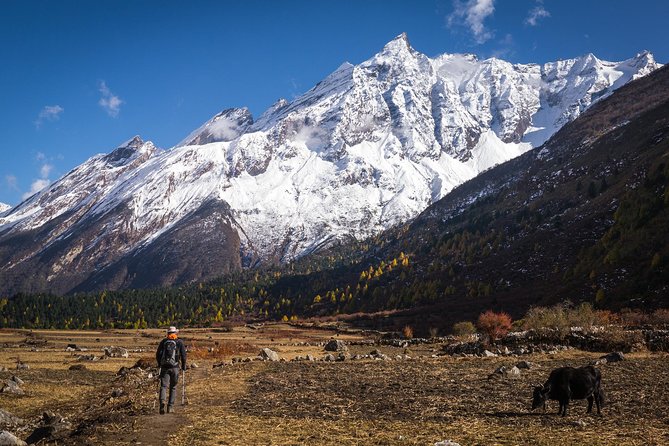
- Crosses the adventurous Rupina La Pass with views of Buddha Himal, Ganesh Himal, and Mt. Manaslu.
- Passes through culturally rich Gurung villages with vibrant local traditions.
- Features diverse landscapes, swift rivers, and rich flora and fauna.
Pick up from airport
Drop back at the airport
- Required numbers of time Airport pick up and drop off as per your flight schedule (international and domestic). All required transfers in Kathmandu too.
- 2 Night’s accommodation in touristic town of Kathmandu in BB Plan (one can choose budget, standard and deluxe).
- Kathmandu–Baluwa and Soti Khola – Kathmandu both way transportation by private/sharing.
- Standard tea house (lodge) accommodation during the entire trekking as per mentioned in itinerary.
- Three meals per day (Breakfast, Lunch & Dinner) during the entire trek as per mentioned in itinerary.
- A duffel bag, Trekking Map.
- Sleeping Bag, Down Jacket, Nepali SIM card (Rental basis, if needed).
- Manaslu Conservation Area Project (MCAP) permit fee.
- TIMS (Trekker’s Information Manual System) permit.
- An experienced government certified local Trekking Guide.
- Required numbers of highly experienced trekking porters (2:1 ratio).
- Staff’s foods, salary, insurance, accommodation, meals, transportation etc.
- General first Aid Kit.
- A certificate of appreciation (experience certificate) after completing the Trek.
- Farewell Dinner in Kathmandu with cultural program.
- All government taxes and applicable paperwork.
- International Airfare.
- Personal Travel Insurance.
- Lunch and dinner in Kathmandu.
- Personal expenses (bar, laundry, personal shopping etc).
- Alcoholic beverage.
- TIPS for Staff.
Introduction
Manaslu Rupina La Pass Trek is one of the challenging trekking routes in the Manaslu region. It lies at an altitude of (4610m/15124ft) above sea level and falls on the lower region of the Gorkha district. Manaslu is the eighth-highest mountain in the world at 8,163 metres (26,781 ft) above sea level. A hidden trail with the exciting atmosphere leading from the major place of Nepal. Gorkha offers the number of significant monuments. Carrying surprising history itself is a pleasurable place to visit and the more adventurous way towards Rupina La pass. Rupina la pass trek with Manaslu offers breath-taking view of Mt. Manaslu and number of gigantic snow-capped peaks nearby. From Baluwa to the small village of Barpak, Gorkaha which was an epicentre of 7.9 rector earthquake on 2015 AD; make a way towards thrilling adventure.
Manaslu Rupina La Pass Trek
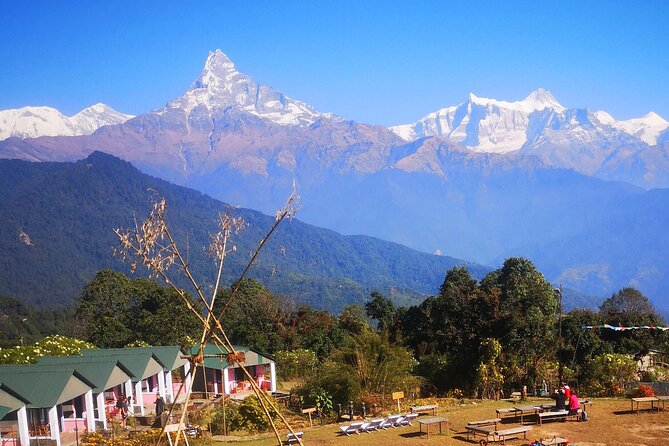
Visit the holy pilgrimage site – Gorkha palace, capture the beauty of Daraudi River and small beautiful villages, lush and verdant farm land that draws the line towards Rupina La Phedi. The Buddha and Ganesh Himal appear more gigantic as the steps are taken forward. In addition to this, the captivating villages where the Gurung communities resides. Is an wonder place to experience the taste of Nepali culture, tradition and typical lifestyle of certain ethnicity of people at mountainous land. Stand at the height of Rupina La pass to capture the life’s wonderful moments at the heavenly mountains with an immense view of Mt Manaslu, Himal chuli, Boudha and numbers of snow-capped peaks making the place majestic with its wondrous beauty. The way when returning from the pass goes through charming villages such as Jarang, Kharka, Nyak, Philim and many small fascinating village influenced by Tibetan culture.
Under with the absorbing variance of landscapes, woodland covered by bamboo, oak and pine, the crystalline flow of Budi-Gandaki River and Soti khola. The way back toward Kathmandu after a scenic drive from Soti river starts to make every traveler miss the enchanting trek done at this trial and rejoice them with full of noteworthy memory.
Few Things to Know Before Your Trip
- Highly remote and less-traveled path
- Far off the usual paths lies Rupina La Pass. Not a single lodge waits beyond Lokpa on this trail. Travelers must pitch tents where the land gets tough. Nights belong to sleeping bags under open skies.
- Only those who have tackled tough trails before should attempt this route. Anyone without high-altitude hikes under their belt will find it rough going. Past time spent sleeping outdoors on mountain paths matters here more than fitness alone. Those new to serious trekking need not apply – this one demands respect built through miles on steep ground.
- Getting lost is easier than you think. Trails vanish under loose rocks that shift without warning. Sudden storms roll in fast, turning paths into mudslides. Only someone who knows every turn should lead the way. Permits mean nothing if survival skills are missing. Real experience matters when seconds count.
- Springtime brings calm weather, so April through May works well. September into October? That’s another solid window when trails stay clear. Heavy rains during monsoon season make paths risky – mud and blocked roads pop up fast. Winter’s deep chill piles snow on mountain crossings, shutting them down completely.
- At roughly 4,720 meters, Rupina La Pass demands time to adjust. Spending extra days at lower heights helps your body cope. Without that pause, altitude sickness can strike without warning.
- Freak storms show up out of nowhere. When snow shuts down the trail, extra time saves the trip. Missed windows mean waiting it out.
- Far beyond this marker, comforts vanish. Once past, you will find no stores nearby. Power outlets become rare. Mobile networks drop out completely. Internet access disappears entirely. Pack everything needed before arriving here. Days pass without any connection at all.
- Getting out fast can be tough. When storms roll in, helicopters often cannot fly. Steep ground makes reaching people harder. Bad conditions block access most times. Insurance that includes high mountain hikes? That you must have. Without it, help might never come.
- Facing long hikes, tough climbs, icy passages, solitude – your body must hold up, your mind stay steady. How you handle cold, fatigue, uneven ground matters just as much as gear. Pushing through slow progress tests patience more than strength sometimes. Rough terrain doesn’t care about plans; it reveals how ready you really are. Endurance isn’t built in comfort, but out here, it shows fast.
- Travelers need special access papers to visit Manaslu. One is called the Restricted Area Permit, another covers conservation efforts there. A third permit handles entry into a protected region nearby. Each document must be obtained before arrival.
- Walk through old Gurung settlements. Honor how people live there. Carry out what you bring in. Tread lightly on trails and soil. Waste nothing that can be reused. Follow quiet ways of staying clean behind you.
Detail Itinerary
DAY 01: Arrive in Kathmandu and transfer to Hotel.
Duration: Approx. 20-30 minutes drive
Distance: 7 km
Our company representative will welcome you at International Airport and drive to hotel. Preparation and briefing about the trip.
Meals:BB/ Full Board
Max Altitude:Kathmandu (1,400 m/4,592 ft)
Accommodation:Hotel
DAY 02: Drive from Kathmandu to Baluwa.
Duration: Approx. 7-8 hrs drive
Distance: Approx. 140 km
Scenic drive through the Trishuli River valley and terraced mid-hills to Gorkha district.
Meals:BB/ Full Board
Max Altitude:Baluwa (890 m/2,919 ft).
Accommodation:Teahouses/ Lodges
DAY 03: Trek from Baluwa to Barpak.
Duration: Approx. 6-7 hrs trek
Distance: Approx. 10.8 km
Uphill hike through lush forests and rural villages. Barpak is a culturally rich Gurung village with panoramic views of Baudha Himal.
Meals:BB/ Full Board
Max Altitude:Barpak (1,915 m/6,282 ft)
Accommodation:Teahouses/ Lodges
DAY 04: Trek from Barpar to Gar kharka.
Duration: Approx. 5-6 hrs trek
Distance: Approx. 9 km
Climb through rhododendron and pine forests to the remote pastureland of Gar Kharka. Ideal for wilderness lovers.
Meals:BB/ Full Board
Max Altitude:Gar kharka (2,900 m/9,514 ft)
Accommodation:Teahouses/ Lodges
DAY 05: Trek from Gar Kharka to Rupina la phedi.
Duration: Approx. 6 hrs trek
Distance: Approx. 8 km
Trek along rugged trails with glimpses of Himalchuli and the towering Baudha Himal. Camp at the base of the pass.
Meals:BB/Full Board
Max Altitude:Rupina la high camp (3,800 m/12467 ft)
Accommodation:Teahouses/Lodges
DAY 06: Trek from Rupina la to Rupina la high camp.
Duration: Approx. 4-5 hrs trek
Distance: Approx. 6 km
Short but challenging ascent through rocky terrain to high camp. Magnificent alpine setting.
Meals:BB/ Full Board
Max Altitude:Rupina la high camp (3,800 m/12467 ft)
Accommodation:Teahouses/ Lodges
DAY 07: Trek to other side Rupina La phedi. By crossing the pass.
Duration: Approx. 7-8 hrs trek
Distance: Approx. 10 km
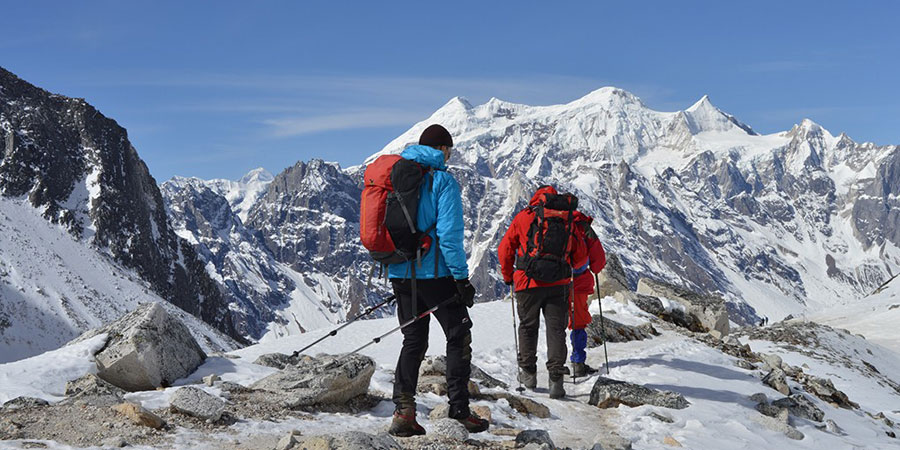
The most adventurous day. Steep ascent to the top of Rupina La with breathtaking views of the Ganesh Himal and Manaslu ranges, followed by descent to the other side.
Meals:BB/ Full Board
Max Altitude:Rupina la Phedi pass.(4,720 m/15485 ft).
Accommodation:Teahouses/ Lodges
DAY 08: Trek from Rupina la phedi to Jarang.
Duration: Approx. 6-6 hrs trek
Distance: Approx. 9 km
Descend through open alpine valleys and remote grazing grounds to Jarang, a peaceful and isolated campsite.
Meals:BB/ Full Board
Max Altitude:Jarang (3,420 m/11,220.47 ft)
Accommodation:Teahouses/ Lodges
DAY 09: Trek from jarlang to Kharka.
Duration: Approx. 5-6 hrs trek
Distance: Approx. 10 km
Enter forested areas with occasional glimpses of snowy peaks. Overnight in a scenic Kharka.
Meals:BB/ Full Board
Max Altitude:Kharka (2,500 m/ 8,202 ft)
Accommodation:Teahouses/Lodges
DAY 10: Trek from Kharka to Nyak.
Duration: Approx. 6-7 hrs trek
Distance: Approx. 12 km
Rejoin the Manaslu Circuit route. Pass through yak pastures and small settlements to reach Nyak.
Meals:BB/ Full Board
Max Altitude:Nyak (2,340 m/ 7,677 ft).
Accommodation:Teahouses/ Lodges
DAY 11: Trek from Nyak to Philim.
Duration: Approx. 6-7 hrs trek
Distance: Approx. 14 km
Descend along narrow trails, suspension bridges, and through rhododendron forests. Philim is a Gurung village with fine hospitality.
Meals:BB/ Full Board
Max Altitude:Philim (1,570 m/ 5,150ft).
Accommodation:Teahouses/ Lodges
DAY 12: Trek from Philim to Dobhan.
Duration: Approx. 6-7 hrs trek
Distance: Approx. 13 km
Continue through river gorges and scenic cliffs along the Budi Gandaki River.
Meals:BB/ Full Board
Max Altitude:Dobhan (2,600 m/8,528 ft).
Accommodation:Teahouses/ Lodges
DAY 13: Trek from Dobhan to Soti Khola.
Duration: Approx. 6-7 hrs trek
Distance: Approx. 14 km
Final day of trekking through terraced hillsides, waterfalls, and tropical forests.
Meals:BB/ Full Board
Max Altitude:Soti Khola (530 m/1729ft).
Accommodation:Teahouses/ Lodges
DAY 14: Drive back from Soti Khola to Kathmandu.
Duration: Approx. 8-9 hrs drive
Distance: Approx. 160 km
Return journey through the hills and towns of central Nepal. Relax in Kathmandu.
Meals:BB/ Full Board
Max Altitude:Kathmandu (1,400 m/4,592 ft).
Accommodation:Teahouses/ Lodges
DAY 15: Departure, Transfer to airport as per flight schedule.
Duration: Approx. 15-20 minutes drive
Distance: Approx. 8 km
Transfer to airport for your flight. End of unforgettable Rupina La adventure.
Meals:BB/ Full Board
Max Altitude:Tribhuvan Internation Airport (1,338 m/4390 ft)
Equipment Checklist
The Manaslu Rupina La Pass Trek is one of the most challenging routes in the Manaslu region, crossing Rupina La Pass. This trek requires essential gear for high altitudes, varying weather, and rough terrain. Here’s a comprehensive equipment list to prepare for this rigorous adventure:
1. Clothing
Base Layers: Thermal tops and bottoms for insulation.
Mid Layers: Fleece jacket or a synthetic layer for added warmth.
Outer Layer: Insulated down jacket for extreme cold at high passes.
Waterproof Jacket and Pants: Lightweight, breathable, and waterproof outer layer.
Trekking Pants: Quick-drying pants for daytime hikes.
Warm Hat, Buff, and Gloves: Warm beanie, neck gaiter, and waterproof gloves with liners.
Socks: Thermal and moisture-wicking socks; consider bringing extra pairs.
2. Footwear
High-Quality Hiking Boots: Sturdy, waterproof boots with good ankle support and grip for snowy or rocky sections.
Camp Shoes: Lightweight sandals or slippers for camp comfort.
3. Sleeping Gear
Sleeping Bag: Rated for -15°C to -20°C, as temperatures can drop significantly at night.
Sleeping Bag Liner: Adds warmth and keeps your bag clean.
4. Backpack and Accessories
Daypack (30-40 liters): To carry essentials like water, snacks, camera, and clothing layers.
Duffel Bag: Durable and waterproof for the gear carried by porters.
Trekking Poles: Essential for steep ascents, descents, and crossing passes.
Rain Cover for Backpack: To protect against unexpected rain or snow.
5. Hydration and Nutrition
Water Bottles and/or Hydration Bladder: At least 2-3 liters capacity.
Water Purification: Tablets or filter, as potable water may not always be available.
High-Calorie Snacks: Energy bars, trail mix, chocolate, and dried fruits.
6. Personal Essentials
Headlamp with Extra Batteries: Necessary for early mornings or late evenings.
Sunglasses: High UV protection to prevent snow blindness.
Sunscreen and Lip Balm: SPF 50+ for sun protection at high altitudes.
First Aid Kit: Include altitude sickness medication, band-aids, blister care, pain relievers, and any personal medications.
Toiletries: Biodegradable soap, toilet paper, hand sanitizer, and wet wipes.
7. Navigation and Safety Gear
Map and Compass or GPS Device: For navigation, especially if trekking independently.
Whistle: For emergency signaling.
Multi-Tool or Knife: Useful for various repairs and emergencies.
8. Documents and Money
Passport and Permits: Include your TIMS card and Sagarmatha National Park entry permit.
Frequently Asked Questions
Manaslu Rupina La Pass Trek is considered strenuous trek. You will encounter challenging routes and remote areas where services will be limited. There are numerous challenges like the rugged terrain, steep slopes, trekking route through stone stairs and continuous walking of 5 to 6 hours per day. That being said, the Manaslu Rupina La Pass Trek can be done by travelers who have the right attitude and are physically fit.
Mt. Manaslu is at an altitude of 8,163 meters (26,781 ft) above sea level. The maximum height we will ascend during this trek is up to Rupina la high camp (3,800m/12467ft).
The prime time for trekking Manaslu Rupina La Pass is during Spring (March, April and May) and Autumn (October and November). During these seasons the weather will be clear, you will get long sunlight hours, fewer bugs, flowers will bloom on the way, the charm of the atmosphere can be felt by the heart, magnificent views of the Himalayas can be seen and you can escape the crowd and enjoy the pleasure of trekking.
Normally, Within 12-24 hours after ascending a certain height(1,500 to 2,500 meter above sea level) altitude sickness symptoms like dizziness, fatigue, loss of appetite, sleep problems, loss of energy, and shortness of breath are seen. In case of any altitude sickness symptoms we will apply medication and descend immediately for acclimatization.
Due to the advancement of the trekking industry, we can find enough lodges and tea houses throughout Manaslu region trekking routes. They offer good food and accommodation. There are different options you can choose according to your needs and budget. Also you should know that at high altitude and remote places the service will be limited.
The permits Required for Manaslu Rupina La Pass Trek are:
Manaslu Conservation Area Project (MCAP)
Annapurna Conservation Area Project (ACAP)
Restricted Area Permit (RAP)
According to the standard itinerary our Manaslu Rupina La Pass Trek is of 16 days from your arrival to Kathmandu to farewell at Airport. If you wish to amend the itinerary you have to contact our booking manager he will prepare the itinerary according to your needs.
Yes!! It is possible to trek Manaslu Rupina La Pass without any trekking experience but trekking alone is not possible. You have to hire a professional guide so you can enrich your trekking experience. Trekking to Manaslu region requires effort, you should have more stamina and good health conditions. If you are planning to trek Manaslu without any experience then you can contact us prior to 30 days so that we can guide you through some exercises and diets you should consider as trek preparation.
The pass is approximately 4,720 meters (15,485 ft) above sea level.
Yes. The Rupina Valley section has no tea houses, so fully supported camping is required for several nights.
Meals are prepared by the trekking crew during camping days. Tea houses provide meals once you reach the Manaslu Circuit.
Helicopter rescue is possible but limited by weather and terrain. Travel insurance covering high-altitude trekking is mandator
Its raw wilderness, untouched trails, dramatic mountain scenery, and complete isolation make it one of Nepal’s most adventurous treks.
It is one of the least crowded treks in Nepal. You may walk for days without seeing other trekkers.
All the equipment/accessories required for trekking will be arranged for you.You will have to pay the amount for equipment. If you personally want to manage any equipment by yourself it’s fine. We have created The Ultimate Trekking Checklist page for your help as It is always better to carry the essential gears and accessories.
Yes!! The Internet is accessible during the Manaslu Rupina La Pass Trek. You can access the 3G network on mobile phones. The mobile internet is fast enough to browse and even make video calls. You will get continuous signal during the whole trek but there will be certain dark spots along the trek where connection may drop. There are limited WiFi hotspots during the trek which will charge for usage only some will let you use it for free. So, for internet access we recommend you to buy a SIM and use 3G.
Yes!! You can charge mobile phones and camera batteries during the trek. At most of the places you will get to charge for free but at some places you have to pay some amount to charge. Remember that it is always better to bring your power bank with you which will be helpful.
Qualified, well experienced, knowledgeable and reliable trekking leaders who have been working in this field professionally for more than a decade will guide you toward the destination and back. You are in safe hands with us, so don’t worry about trekking guides.
Yes!! It is recommended to have travel insurance during the trek. It is uncertain that you will not feel sick or get into any accidents during the trek. So, for medical emergencies or as precaution against risks and financial losses that could happen while traveling, insurance is best.
We hire our staffs according to their standards. They should have to go through our selection procedure on which we will check their certifications, qualifications and experience. Hence, our staffs are equipped/trained and insured.
Didn't we answer your questions? Visit our help center.
Cancellations
Full refund if cancelled 15 days prior; 50% refund if cancelled 8–14 days prior; no refund if cancelled within 7 days due to finalized arrangements. Cancellations to be made in writing (email/message); in cases of severe weather, natural events, or government restrictions, tours may be rescheduled/credited for future use; travel insurance is recommended.
Read more terms & conditions