


Trip Facts
Chitwan
3 Day
English, Hindi, Japanese, Urdu
Day 1: Arrival in Sauraha & Cultural Evening
Day 2: Jungle Adventures
Day 3: Birdwatching & Departure
- Tharu Village Walk: Meet locals and experience traditional life.
- Sunset & Sunrise Safari: Jeep or elephant rides for close wildlife encounters.
- Canoe Ride on Rapti River: Early morning calm with birds and crocodiles.
- Tharu Cultural Program: Dance, crafts, and storytelling.
- Elephant Breeding Center: Observe baby elephants and conservation in action.
- Guided Nature Walks: Trails, birds, and hidden jungle treasures.
pick up from hotel
drop back in your hotel
- Private transportation from Kathmandu or Pokhara to Chitwan and back.
- Experienced local guide throughout the tour.
- Accommodation at a selected lodge or resort near the park.
- Meals as per itinerary (usually breakfast and traditional Nepali meals).
- Wildlife safaris: Jeep or elephant rides, canoe ride on the Rapti River, guided nature walks.
- Cultural experiences: Tharu village visit and cultural program.
- Park entry fees and conservation fees included.
- Bottled water during tours and basic travel assistance.
- International or domestic flights to Nepal.
- Personal expenses such as souvenirs, extra meals, or drinks.
- Tips for guides, drivers, or lodge staff.
- Adventure activities outside the itinerary (e.g., paragliding, extended trekking).
- Travel insurance beyond basic assistance or medical emergencies.
- Optional extras at lodges (spa treatments, private dinners, etc.).
Description
Chitwan National Park: The Wild Heart of Nepal
Nestled in the warm, forested plains of central-southern Nepal, Chitwan National Park feels like a world untouched. Covering close to 953 sq km, this stretch became the country’s initial protected wilderness – today recognized by UNESCO for its rich mix of life plus long-standing ties to the local communities living around it.
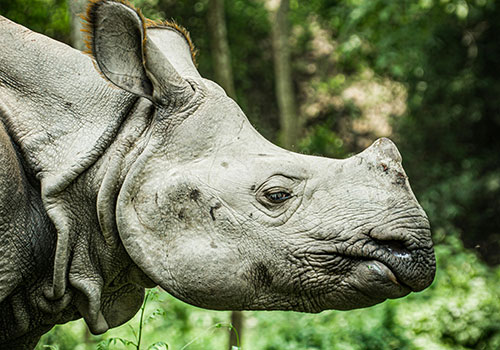
Back when kings used to hunt here, Chitwan was just a game reserve; these days, it’s turned into one of Asia’s standout wins for nature protection. These lands now host rare creatures like the big-nosed rhino and the hard-to-spot Bengal tiger. Thick woods and open meadows give shelter to wild elephants, sleepy-looking bears, sneaky leopards, massive gaur bulls, along with more than five hundred kinds of feathered life – making it a go-to spot if you’re into critters or snapping pics.
A mix of thick Sal woods, wetland trees, and high grass stretches across the land – one of the most towering types found anywhere. Cutting through this terrain are the Narayani and Rapti waterways, spots where gharials sunbathe on sandbars while egrets drift above the currents come evening. Wanderers get to see Chitwan up close – by jeep tours or walking trails led by experts, both put you near deer, rhinos, and maybe even tigers; drifting on canoes gives calm views of herons and basking reptiles by riverbanks. To peek into daily culture, villagers from the Tharu community open their doors, sharing lively music, age-old tales, and meals made with care.
Chitwan National Park? More than animals living free – it drops you right into Nepal’s raw heartbeat, so when something stirs in the tall grass or a bird shouts from above, it hits deep: life here pulses without permission.
Chitwan National Park lies roughly 150–160 km from Kathmandu – around a 5 to 6-hour drive – but sits just 120 km away from Pokhara, which takes about 3 or 4 hours by road.
The primary roads are sealed, so you can use them with your own car, a jeep, or a tour bus. For more ease and freedom, go with a personal ride.
Park Entrance & Facilities:
Main gates – like Sauraha or Kasara – come with payment spots, toilets, also simple facilities.
Getting around by wheelchair isn’t easy everywhere – some spots have rough or soft ground, especially on trails through woods or alongside water.
Many resorts close to the park allow cars on site while helping visitors who struggle to move around.
Wildlife Safaris:
Jeep tours: Easy rides that suit nearly everyone – perfect for older folks or those traveling with kids.
Elephant rides: Getting on the animal is kinda tricky – help’s needed, so it’s just okay for most folks.
Boating fun on water means getting inside the craft – could be tough if moving around is hard. While some enjoy paddling slowly, others might struggle to step in. Since balance matters here, folks with weak movement need caution too. Although it looks easy, climbing aboard isn’t always simple for everyone.
Wandering paths: Some parts of the trail can be bumpy or wet – so it’s best to wear sturdy footwear you won’t mind getting a bit dirty.
Health & Comfort Tips:
Bring water, bug spray – also pack a cap to block the sun.
Mornings might feel chilly – bring a thin jacket just in case. Evenings tend to drop in temp too, so having one handy helps.
Older folks or those who move slow might find it tough on uneven trails – hiring a personal guide could make things easier. A porter, meanwhile, takes care of the heavy bags so you’re free to focus on walking without hassle.
Family & Kids:
The park works well for kids, but moms and dads need to keep an eye on them while doing safari trips or canoeing.
Learning about wild animals turns it into an exciting yet secure journey for children.
Cultural & Responsible Travel:
Connect with nearby Tharu people in a thoughtful way.
Steer clear of disposable plastic stuff, stick to what the park tells you to do, also keep your distance when around wild animals.
Detail Itinerary
Day 1: Arrival in Sauraha & Cultural Evening
Morning / Afternoon:
Head to Chitwan by hopping on a 5–6 hour bus from Kathmandu or Pokhara – another way, grab a quick 25-minute flight into Bharatpur Airport (BHR), then catch a taxi ride over to your lodge in Sauraha, the comfotable starting point for exploring the park.
Late Afternoon:
Once you’ve unpacked, head out with a community guide to explore a close-by Tharu settlement – get a real look at how locals live, their distinct customs, plus the way homes are built around here.
Evening:
When evening comes, catch a local Tharo dance show – bright flames and rhythmic sticks light up stories from their roots. Later on, sink into a tasty meal back at the lodge, while nighttime forest whispers hum all around.
Day 2: Jungle Adventures
Morning:
Get up at dawn, grab some food – next jump in a canoe and float along the Rapti River. Quiet energy while you scan for birds by the water; watch closely for gharials or muggers basking near soft riverbanks. When you return, join a walk through the woods with someone who shows you small creatures plus tricks plants use to live here.
Afternoon:
go on a solo jeep ride far inside Chitwan National Park. As you go, the path winds through thick Sal woods along broad meadows – keep your eyes peeled for one-horned rhinos, spotted deer, slow-moving bears, or any number of colorful birds.
Evening:
Head back to your cabin, unwind near the Rapti River – see that stunning sunset blaze across the jungle edge. It’s just what you need after a wild, action-packed day.
Day 3: Birdwatching & Departure
Morning:
Start your last morning spotting birds alongside a wildlife pro. This part of Nepal hosts more than 500 kinds of birds, including bright kingfishers along with towering eagles – so it’s become a go-to spot across Asia for bird lovers.
Late Morning: Enjoy breakfast at your resort, then check out and transfer to the bus station or Bharatpur Airport for your onward journey or continue for another tour.
Recommendation
Recommendations for Your Chitwan Private Tour
1. Plan for Wildlife Encounters
The park hosts rhinos, tigers, elephants – also loads of bird kinds. Try a safari at dawn or near dusk if you wanna see them easy.
Grab binoculars plus a zoom camera so you can snap animals from afar.
2. Comfortable Travel
Go for loose, airy clothes during the day – toss in a thin jacket when sun’s out early or late.
Footwear that feels good is a must when strolling through countryside paths, hiking rough tracks, or checking out cabins around camp.
Folks often find it easier to get around by car since they can set their own schedule – also, there’s less waiting involved.
3. Respect Local Culture
Check out Tharu villages by staying curious but respectful. Say hello nicely; if you want to snap pics, ask first – small gestures build trust. Pay attention to how folks live here; it really matters.
Join cultural events or help local makers by picking up handmade goods.
4. Stay Hydrated and Protected
Bring water along with sun protection plus bug spray.
Hats – along with sunglasses – come in handy when you’re on safari or riding down rivers.
5. Health & Safety
If you’re worried about getting around, tell your lodge or guide – help’s available through porters or safari guides.
Stick to park rules along with what your guide says – crucial when you’re near wild animals.
6. Capture Memories
Sunrise or dusk? Both feel enchanting – try snapping shots at Tundikhel’s edges, near riverbanks, maybe wide meadows too.
Stop for a sec, just breathe – savor the jungle’s noise; those bits stick around way longer.
7. Responsible Travel
Chitwan National Park grows stronger thanks to eco-friendly travel. Ditch disposable plastic, honor animal homes, while taking your waste with you.
Frequently Asked Questions
Chitwan is about 150 km from Kathmandu (~5–6 hours) and 120 km from Pokhara (~3–4 hours). Private vehicles or jeeps are recommended for comfort and flexibility, with scenic stops along the way.
A 3-day stay is perfect for a balanced mix of wildlife, cultural experiences, and relaxation. You’ll have time for safaris, canoe rides, nature walks, and village visits without rushing.
Yes! The tour is family-friendly and manageable for most travelers. Safaris are safe, and short walks are optional. For guests with limited mobility, guides and lodge staff can provide assistance.
Chitwan is home to one-horned rhinos, deer, elephants, and over 500 bird species. Tigers are elusive but tracks and signs can often be spotted with your guide.
October to April offers pleasant weather and clear skies. Early mornings and evenings are cooler, so pack a light jacket.
Breakfast is included daily, and selected traditional meals are part of the itinerary. Extra meals, drinks, or café snacks are not included.
Yes! While your guide provides safaris, walks, and cultural experiences, you’re free to stroll through the village or lodge grounds at your own pace.
Comfortable walking shoes, light layers for daytime, a warm jacket for mornings/evenings, insect repellent, hat, sunscreen, and a camera for wildlife moments.
Absolutely. Chitwan encourages sustainable tourism. Please avoid single-use plastics, respect wildlife, and follow park rules.
We recommend travel insurance to cover any unexpected events, especially for health, cancellations, or emergencies during your trip.
Didn't we answer your questions? Visit our help center.
Cancellations
Full refund if cancelled 15 days prior; 50% refund if cancelled 8–14 days prior; no refund if cancelled within 7 days due to finalized arrangements. Cancellations to be made in writing (email/message); in cases of severe weather, natural events, or government restrictions, tours may be rescheduled/credited for future use; travel insurance is recommended.
Read more terms & conditions