
Trip Facts
Manaslu Region Treks
7 Am
13 Days
English, Hindi, Japanese, Urdu
DAY 01: Arrival in Kathmandu and transfer to Hotel.
DAY 02: Drive from Kathmandu to Machha Khola.
DAY 03: Trek from Machha Khola to Jagat.
DAY 04: Trek from Jagat to Lokpa.
DAY 05: Trek from Lokpa to Chumling.
DAY 06: Trek from Chumling to Chhokangparo.
DAY 07: Trek from Chhokangparo to Chhule-Nile.
DAY 08: Trek from Chhule-Nile to Mu Gompa and return back Nile.
DAY 09: Trek from Chhule-Nile to Chhokangparo.
DAY 10: Trek from Chhokangparo to Lokpa.
DAY 11: Trek from Lokpa to Jagat.
DAY 12: Trek from Machha Khola to Jagat.
DAY 13: Drive from Machha Khola to Kathmandu.
DAY 14: Final departure. Drop to Airport as per flight Schedule.
Any
- Hidden Tsum Valley: a culturally rich Tibetan Buddhist “valley of happiness.”
- Trail follows the Budi Gandaki River, with suspension bridges, waterfalls, and rhododendron forests.
- Visits sacred monasteries (Mu Gompa, Milarepa Cave) and requires a special permit.
- Views of Manaslu (8,163m) and rare wildlife in the Manaslu Conservation Area.
Pick up from airport
Drop back at the airport
- Required numbers of time Airport pick up and drop off as per your flight schedule (international and domestic). All required transfers in Kathmandu too.
- 2 Night’s accommodation in touristic town of Kathmandu in BB Plan (one can choose budget, standard and deluxe).
- Kathmandu–Machha Khola – Kathmandu both way transportation (one can choose private vehicle or public sharing).
- Standard tea house (lodge) accommodation during the entire trekking as per mentioned in itinerary.
- Three meals per day (Breakfast, Lunch & Dinner) during the entire trek as per mentioned in itinerary.
- A duffel bag, Trekking Map.
- Sleeping Bag, Down Jacket, Nepali SIM card (Rental basis, if needed).
- Manaslu Conservation Area Project (MCAP) fee.
- Annapurna Conservation Area Project (ACAP) fee.
- Manaslu Restricted Area permit (Special permit).
- Tsum Valley Restricted Area permit (Special permit).
- TIMS (Trekker’s Information Manual System) permit.
- An experienced government certified local Trekking Guide.
- Required numbers of highly experienced trekking porters (2:1 ratio).
- Staff’s foods, salary, insurance, accommodation, meals, transportation etc.
- General first Aid Kit
- A certificate of appreciation (experience certificate) after completing the Trek.
- Farewell Dinner in Kathmandu with cultural program.
- All government taxes and applicable paperwork.
- International Airfare.
- Personal Travel Insurance,
- Lunch and Dinner in Kathmandu.
- Personal expenses for bar, laundry, personal shopping etc.
- Alcoholic beverage.
- TIPS for Staff.
Introduction
Tsum being a hidden valley introduced as a holy hidden valley of happiness by Guru Rimpochhe. A mountainous village situated between a Nepal-China border offers the travelers to take the taste of Tibetan culture and explore numbers of Gumbas and monasteries . To do so special permit approved by Nepal Government is required. Begin the trip after a scenic drive from Kathmandu to Sotikhola trip guided by experienced team all over the way.
Manaslu Tsum Valley Trek Overview
The alluring panorama of captivating Himalaya landscapes, wonderful time to unfold the charm of cultural villages, flora and fauna, rapid rivers and the gigantic Mountains attracts every trekkers and advantage of their special time. Make a way through the delightful meadows, woodland covered with Pine, Cedar, Birch, Juniper and colorful Rhododendron flowers. With numbers of suspension bridges, waterfalls and a swift flowing Budi-Gandaki river. Enjoy the Hot water spring bath on the way to Jagat and continue the walk to towards Lokpa where the permit is needed to go round the trip.
Explore Sacred Monasteries, Hidden Caves & Himalayan Scenery
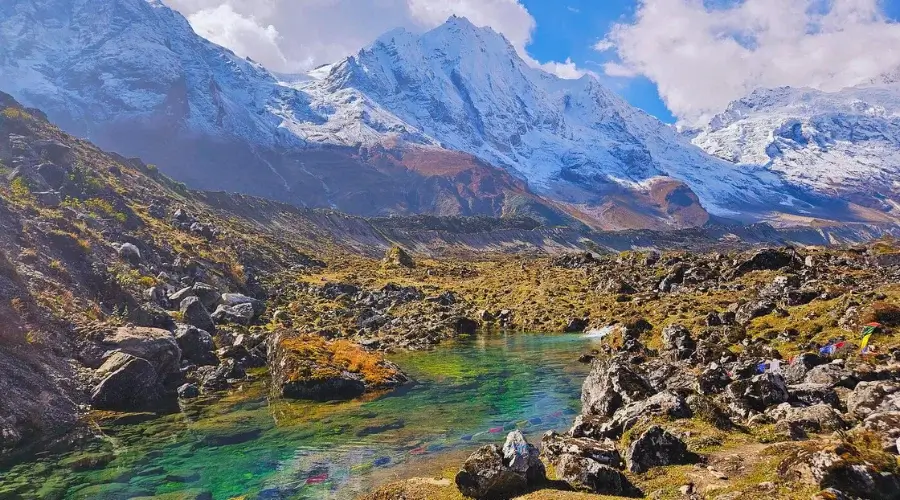
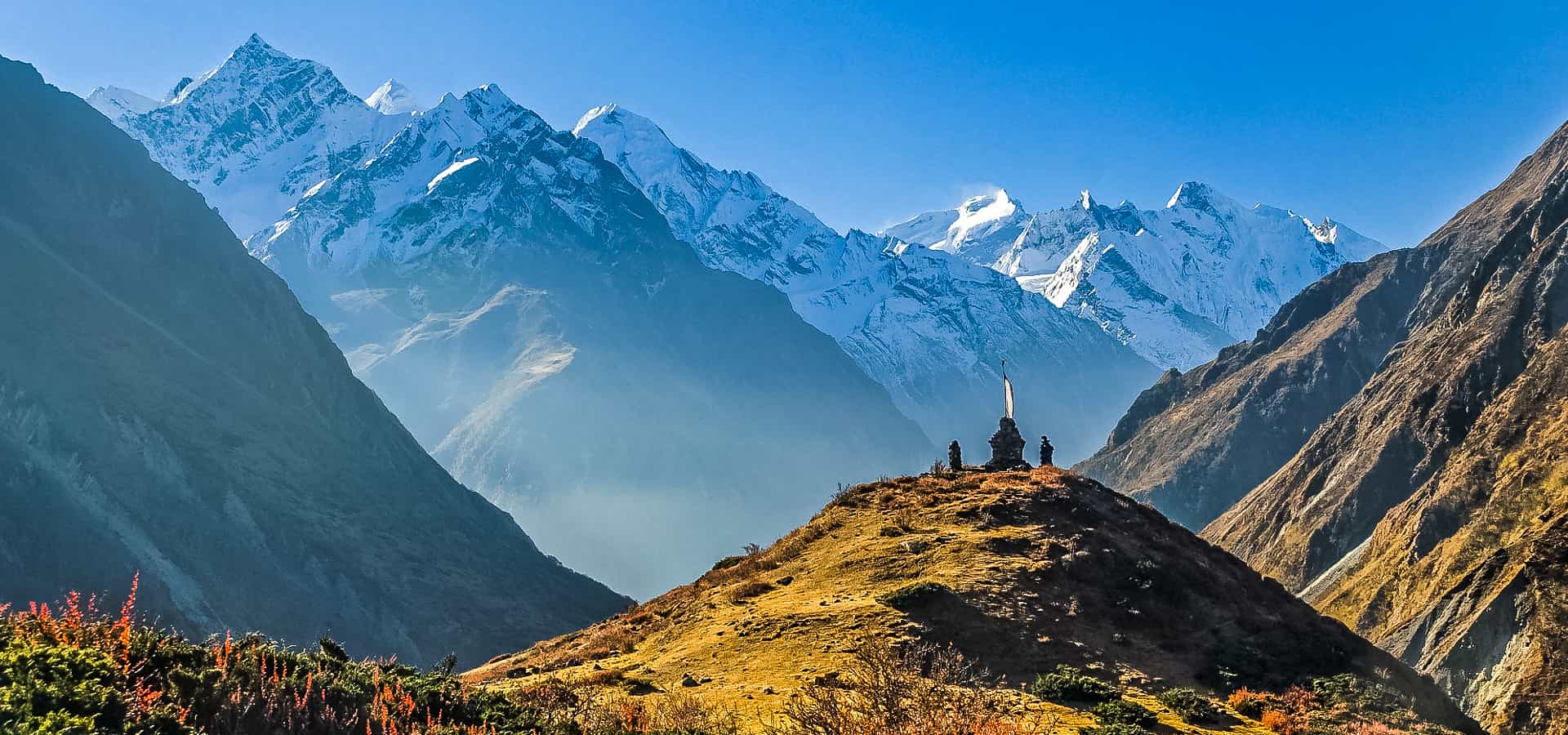
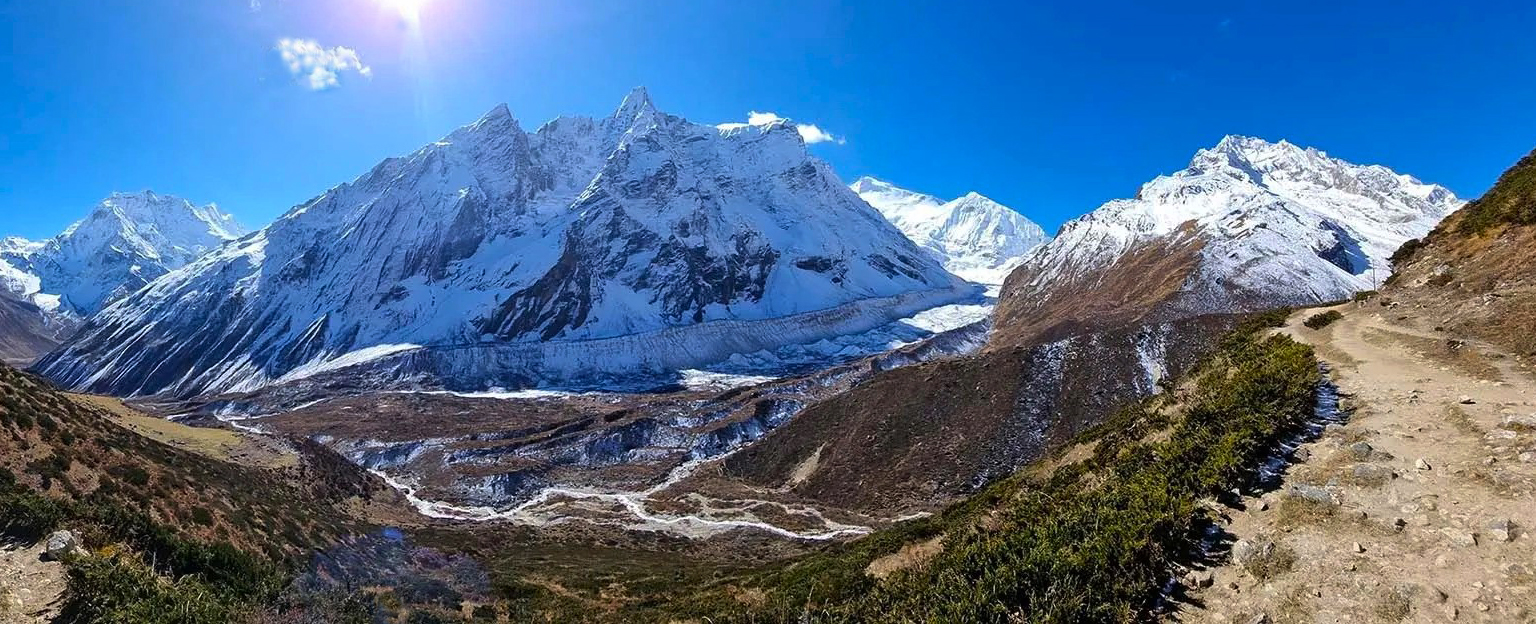
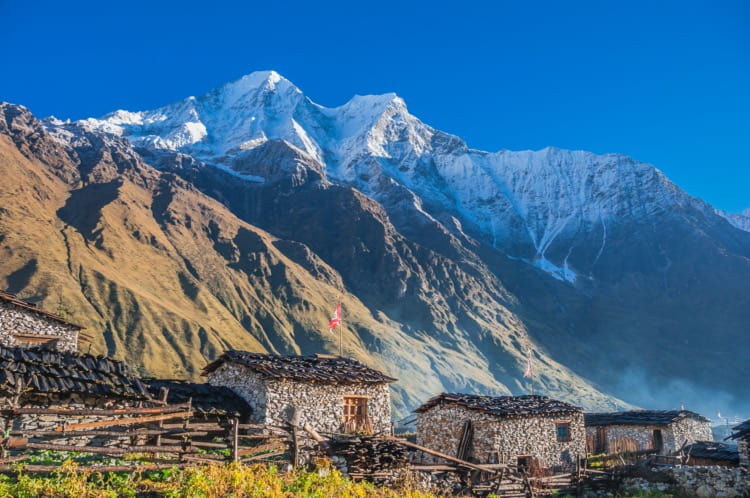
Crossing the number of small cultural village settlements such as Chumling, Chhokangparo and making a way through the SerpuKhola, explore the adventurous PirenPhu Cave at upper Tsum valley. The prayer flag welcome towards Mughompa, largest Monastry of this region and Rachen Gompa carrying its Historical and religious significance. Capture the breath taking view of magnificent Mountains including Himlung Himal, Cheo Himal, Kang Guru, Annapurna II, Mt Manaslu and many snow-capped peaks making the moment indelible. Walk through the terraced land with the cattle gazing nearby, delightful meadows, woodland. Covered with Pine, Cedar, Birch, Juniper and colourful Rhododendron flowers and make a way towards Dumje, Gumba Lungdang, Ripchet and Dobhan. The Manaslu with Tsum valley presenting the delightful moment and numerous glories to explore bring best out of treks. Take a drive from Soti- Khola to Kathmandu with heart full of charisma offered by Manaslu region and Tsum valley.
Note
The Tsum Valley Trek is a restricted area trek, requiring special permits to preserve its unique culture and environment. Trekkers should respect local customs, traditions, and sacred sites, as the valley is a living hub of Tibetan-Buddhist heritage. This remote trek offers pristine landscapes, ancient monasteries, and a truly off-the-beaten-path Himalayan experience, making it ideal for those seeking cultural immersion and tranquility.
Detail Itinerary
DAY 01: Arrival in Kathmandu and transfer to Hotel.
Duration: Approx. 20-30 minutes drive
Distance: 7 km
Our company representative will welcome you at International Airport and drive to hotel. Preparation and briefing about the trip.
Meals:BB/ Full Board
Max Altitude:Kathmandu (1,400 m/4,592 ft)
Accommodation:Hotel
DAY 02: Drive from Kathmandu to Machha Khola.
Duration: Approx. 8-10hrs driving
Distance: Approx. 165 km
Your Manaslu adventure begins with a long but scenic drive from Kathmandu to Machha Khola. The route passes through Dhading Besi, Arughat, and Soti Khola before reaching Machha Khola. Along the way, you’ll see traditional hill villages and get a glimpse of rural Nepali life. Machha Khola is a quiet riverside village with simple teahouses and lodges.
Meals:BB/ Full Board
Max Altitude:Machha Kola (970 m/ 2854 ft).
Accommodation:Teahouses/ Lodges
DAY 03: Trek from Machha Khola to Jagat.
Duration: Approx. 7-8 hrs trek
Distance: Approx. 22 km
After an early breakfast, begin trekking along the Budhi Gandaki River. You’ll pass through Khorlabesi, Tatopani (natural hot spring), Dobhan, and Yaru Phat. The trail features waterfalls, terraced fields, and rocky cliffs. Jagat is a traditional stone-paved village and the first permit checkpoint of the Manaslu Conservation Area. It offers basic teahouses, electricity, and a peaceful atmosphere.
Meals:BB/ Full Board
Max Altitude:Jagat (1,410 m/ 4,625 ft).
Accommodation:Teahouses/ Lodges
DAY 04: Trek from Jagat to Lokpa.
Duration: Approx. 6-7 hrs trek
Distance: Approx. 11 km.
After an early breakfast, the trek begins by walking along stone steps and terraced hillsides, eventually entering a wide valley with beautiful river views. This day offers a mixture of valleys, forests, deep gorges, and hillside farms. Lokpa is a small, peaceful village with basic teahouses, surrounded by forests and high cliffs.
Meals:BB/ Full Board
Max Altitude:Lokpa (2,240 m/ 7,347 ft).
Accommodation:Teahouses/ Lodges
DAY 05: Trek from Lokpa to Chumling.
Duration: Approx. 4-5hrs trek
Distance: Approx. 6 km
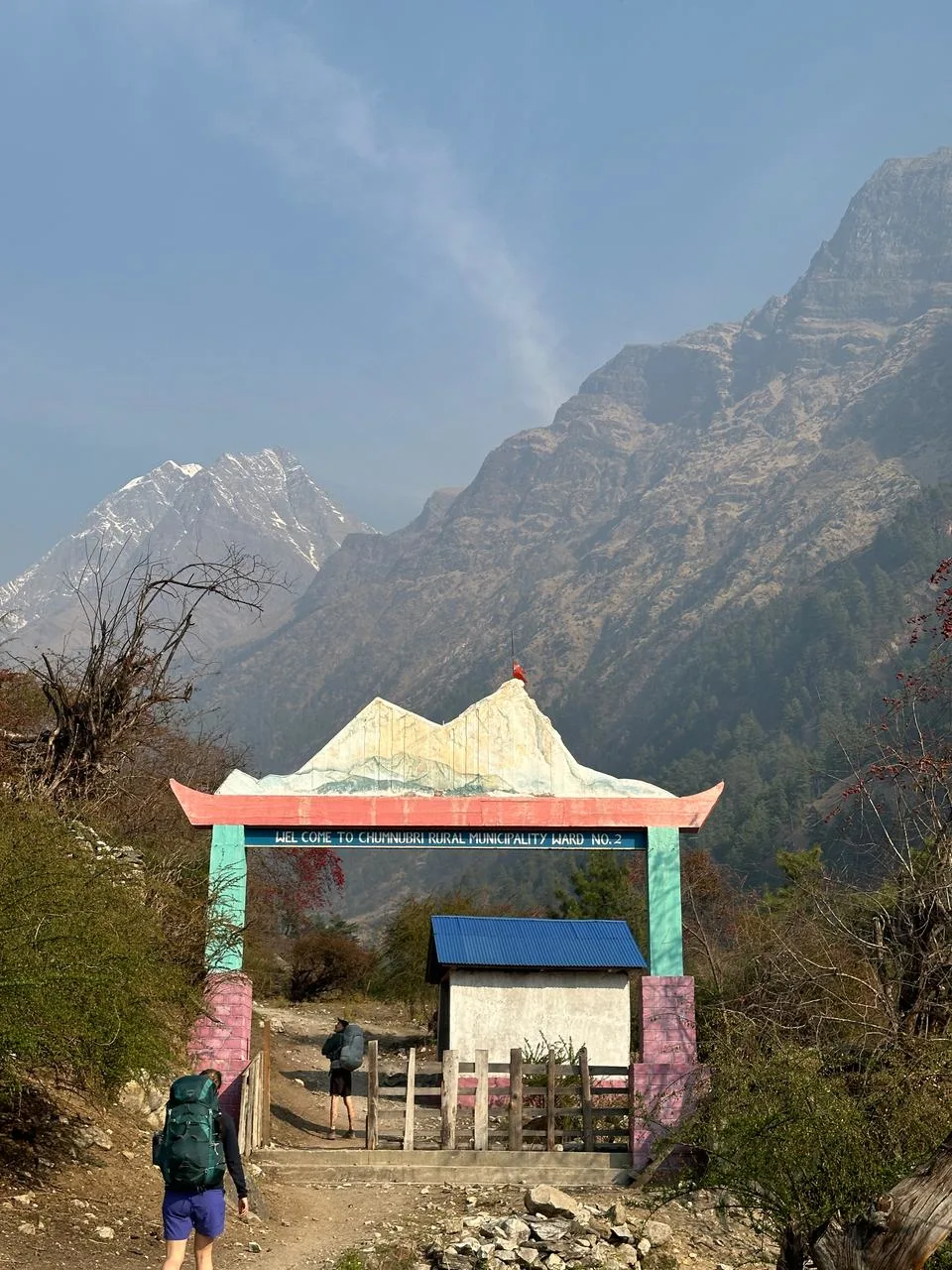
After morning breakfast, we begin the trek with a steep downhill walk through dense forest. After crossing a suspension bridge over the Shiar Khola, the final section of the trail is a steady climb along a narrow path. This day offers beautiful views of Ganesh Himal, along with lush green hills. Chumling is a peaceful village, surrounded by hills, and features mostly stone-built houses.
Meals:BB/ Full Board
Max Altitude:Chumling (2,363 m/7752 ft).
Accommodation:Teahouses/ Lodges
DAY 06: Trek from Chumling to Chhokangparo.
Duration: Approx. 5-6hrs trek
Distance: Approx. 10 km
After breakfast, we start with a flat trail and then cross a suspension bridge. The path continues uphill, passing small settlements, mani walls, and forests. This day offers magnificent views of the mountains and green hills. Chhekampar is a beautiful valley rich in culture and heavily influenced by Tibetan traditions.
Meals:BB/ Full Board
Max Altitude:Chhokangparo (3,010 m/9875 ft).
Accommodation:Teahouses/ Lodges
DAY 07: Trek from Chhokangparo to Chhule-Nile.
Duration: Approx. 4-5 hrs trek
Distance: Approx. 9 km
After morning breakfast, we begin our trek along an open valley. The trail passes several small settlements, along with mani walls, chortens, and monasteries. This day offers impressive views of towering snow-capped peaks. Nile is the last permanent settlement in the Tsum Valley, located beside the Shiar Khola and surrounded by Himalayan landscapes.
Meals:BB/ Full Board
Max Altitude:Chhule-Nile (3,361 m/11026 ft).
Accommodation:Teahouses/ Lodges
DAY 08: Trek from Chhule-Nile to Mu Gompa and return back Nile.
Duration: Approx. 4-5 hrs trek
Distance: Approx. 8 km
After breakfast, we trek with a gentle ascent along the river. The trail offers wide mountain views as we approach Mu Gompa, the largest and oldest monastery in the region. Mu Gompa holds strong spiritual significance and offers breathtaking views. After spending time there, we return to Nile via the same route.
Meals:BB/ Full Board
Max Altitude:Mu Gompa (3,700 m/12139 ft).
Accommodation:Teahouses/ Lodges
DAY 09: Trek from Chhule-Nile to Chhokangparo.
Duration: Approx. 4-5 hrs trek
Distance: Approx. 9 km
After morning breakfast, we retrace our steps and return to Chhekampar along the same trail.
Meals:BB/ Full Board
Max Altitude:Chhokangparo (3,010 m/9875 ft).
Accommodation:Teahouses/ Lodges
DAY 10: Trek from Chhokangparo to Lokpa.
Duration: Approx. 7-8 hrs trek
Distance: Approx. 14 km
After breakfast, we continue descending along the same path to Lokpa, passing through the familiar valleys and villages.
Meals:BB/ Full Board
Max Altitude:Lokpa (2,240 m/ 7,347 ft)
Accommodation:Teahouses/ Lodges
DAY 11: Trek from Lokpa to Jagat.
Duration: Approx. 6-7 hrs trek
Distance: Approx. 11 km
After an early breakfast in Lokpa, We will back same trail with a mixture of valleys, forests, deep gorges, and hillside farms. We will overnight atJagat.
Meals:BB/ Full Board
Max Altitude:Jagat (1,410 m/ 4,625 ft).
Accommodation:Teahouses/ Lodges
DAY 12: Trek from Machha Khola to Jagat.
Duration: Approx. 7-8 hrs trek
Distance: Approx. 22 km
After early breakfast, you will start the trek with a gentle walk along the bank of river. You will follow the same trail, on the way up few days ago passing places like Yaru Phat, Dobhan, Tatopani and Khorlabesi.
Meals:BB/ Full Board
Max Altitude:Jagat (1,410 m/ 4,625 ft)
Accommodation:Teahouses/ Lodges
DAY 13: Drive from Machha Khola to Kathmandu.
Duration: Approx. 8-10hrs driving
Distance: Approx. 165 km
After breakfast, we will back from Machha Khola to Kathmandu witness the lifestyle of local communities, small riverside with lodges.
Meals:BB/ Full Board
Max Altitude:Kathmandu (1,400 m/4,592 ft)
Accommodation:Teahouses/ Lodges
DAY 14: Final departure. Drop to Airport as per flight Schedule.
Duration: Approx. 20-30 minutes drive
Distance: Approx. 7 km
Our representative will drop you at International Airport as per your flight schedule.
Meals: BB/ Full Board
Max Altitude: Tribhuvan Internation Airport (1,338 m/4390 ft)
Equipment Checklist
Embarking on the Manaslu Circuit Tsum valley Trek is a thrilling adventure that requires meticulous preparation. Ensuring you have the right gear can make the difference between a comfortable journey and a challenging one. In this guide, we’ll walk you through the essential equipment needed for the trek, from clothing layers to personal items. Whether you’re a seasoned trekker or a first-timer, our comprehensive packing list will help you get ready for the adventure of a lifetime.
1. Clothing
Base Layers: Thermal tops and bottoms for warmth.
Mid Layers: Fleece jacket for insulation.
Outer Layer: Insulated down jacket (recommended for high altitudes).
Rainproof/Windproof Jacket and Pants: Essential for unpredictable weather.
Trekking Pants: Lightweight, quick-drying pants for daytime trekking.
Warm Hat and Sun Hat: A warm beanie for cold weather, and a wide-brimmed hat or cap for sun protection.
Gloves: Waterproof insulated gloves and lightweight inner gloves.
Socks: Wool socks for cold weather and moisture-wicking socks for trekking.
Gaiters: To keep mud, snow, and debris out of your boots.
2. Footwear
Hiking Boots: Sturdy, waterproof boots with good ankle support.
Camp Shoes/Sandals: For comfort when relaxing in the tea houses or lodges.
3. Sleeping Gear
Sleeping Bag: Rated for -10°C to -20°C to withstand cold nights in higher altitudes.
Sleeping Bag Liner: Adds warmth and keeps your sleeping bag clean.
4. Backpack and Accessories
Daypack (25-30 liters): For carrying essentials like water, snacks, and layers.
Duffel Bag: Large, durable bag for porters to carry; waterproof covers are recommended.
Rain Cover: For protecting your daypack from rain.
Trekking Poles: Helpful for stability and reducing stress on knees.
5. Hydration and Nutrition
Water Bottles and/or Hydration Bladder: With at least 2-3 liters capacity.
Water Purification Tablets or Filter: To treat water on the trail.
Snacks: High-energy snacks like energy bars, nuts, and chocolates.
6. Personal and Miscellaneous Items
Headlamp with Extra Batteries: Essential for early morning treks or dark trails.
Sunglasses: UV-protective, high-quality sunglasses to protect against the intense high-altitude sun.
Sunscreen and Lip Balm: High SPF for sun protection.
Basic First Aid Kit: Include band-aids, blister treatment, antiseptics, painkillers, altitude sickness medication, and any personal medications.
Toiletries: Eco-friendly soap, toilet paper, hand sanitizer, and wet wipes.
Camera and Extra Batteries: Since charging can be costly and unreliable at high altitudes.
7. Documents and Money
Passport and Permits: Passport, visa,TIMS card, and entry permit.
Cash: ATMs are not reliable in the mountains, so bring enough Nepali cash for personal expenses.
Frequently Asked Questions
Manaslu Tsum Valley Trek Is Considered strenuous trek. You will encounter challenging routes and remote areas where services will be limited. There are numerous challenges like the rugged terrain, steep slopes, trekking route through stone stairs and continuous walk for 5 to 6 hours per day. That being said, the Manaslu Tsum Valley Trek can be done by travelers who have the right attitude and are physically fit.
Mt. Manaslu is at an altitude of 8,163 meters (26,781 ft) above sea level. The maximum height we will ascend during this trek is upto Rachen Gompa (3,240m/10629ft).
The prime time for trekking Manaslu Tsum Valley is during Spring (March, April and May) and Autumn (October and November). During these seasons the weather will be clear, you will get long sunlight hours, fewer bugs, flowers will bloom on the way, the charm of the atmosphere can be felt by the heart, magnificent views of the Himalayas can be seen and you can escape the crowd and enjoy the pleasure of trekking.
The permits Required for Manaslu Tsum Valley Trek are:
Manaslu Conservation Area Project (MCAP)
Annapurna Conservation Area Project (ACAP)
Restricted Area Permit (RAP)
Expect snow-capped peaks, dense forests, rivers, and terraced fields, plus traditional villages where time seems to stand still. Monasteries, mani walls, and sacred caves add a spiritual touch to the journey.
Absolutely! The Tsum people are warm and welcoming. You’ll get a glimpse of their daily life, customs, and festivals—an authentic cultural experience.
Yes, but the trek is moderate altitude. Proper acclimatization is important, and your guides will help you stay safe while ascending.
Not at all! Tsum Valley is off-the-beaten-path. You’ll enjoy a peaceful, tranquil trek with fewer tourists and more nature.
All the equipment/accessories required for trekking will be arranged for you.You will have to pay the amount for equipment. If you personally want to manage any equipment by yourself it’s fine. We have created The Ultimate Trekking Checklist page for your help as It is always better to carry the essential gears and accessories.
Yes!! The Internet is accessible during the Manaslu Tsum Valley Trek. You can access the 3G network on mobile phones. The mobile internet is fast enough to browse and even make video calls. You will get continuous signal during the whole trek but there will be certain dark spots along the trek where connection may drop. There are limited WiFi hotspots during the trek which will charge for usage only some will let you use it for free. So, for internet access we recommend you to buy a SIM and use 3G.
Yes!! You can charge mobile phones and camera batteries during the trek. At most of the places you will get to charge for free but at some places you have to pay some amount to charge. Remember that it is always better to bring your power bank with you which will be helpful.
Qualified, well experienced, knowledgeable and reliable trekking leaders who have been working in this field professionally for more than a decade will guide you toward the destination and back. You are in safe hands with us, so don’t worry about trekking guides.
Normally, within 12-24 hours after ascending a certain height (1,500 to 2,500 meter above sea level) altitude sickness symptoms like dizziness, fatigue, loss of appetite, sleep problems, loss of energy, and shortness of breath are seen. In case of any altitude sickness symptoms we will apply medication and descend immediately for acclimatization.
Yes!! It is recommended to have travel insurance during the trek. It is uncertain that you will not feel sick or get into any accidents during the trek. So, for medical emergencies or as precaution against risks and financial losses that could happen while traveling, insurance is best.
We hire our staffs according to their standards. They should have to go through our selection procedure on which we will check their certifications, qualifications and experience. Hence, our staffs are equipped/trained and insured.
Didn't we answer your questions? Visit our help center.
Cancellations
Full refund if cancelled 15 days prior; 50% refund if cancelled 8–14 days prior; no refund if cancelled within 7 days due to finalized arrangements. Cancellations to be made in writing (email/message); in cases of severe weather, natural events, or government restrictions, tours may be rescheduled/credited for future use; travel insurance is recommended.
Read more terms & conditions