
Trip Facts
Everest Region
7 Am
9 days
English, Hindi, Japanese, Urdu
Day 01: Arrival in Kathmandu and transfer to Hotel.
Day 02: Fly from Kathmandu to Phaplu and Trek to Salleri.
Day 03: Trek from Salleri to Ghunsa.
Day 04: Trek from Ghunsa to Pattale.
Day 05: Trek from Pattale to Jhapre.
Day 06: Trek from Jhapre to Pikey peak.
Day 07: Trek from Pikey peak to Junbesi.
Day 08: Hike to Thuptenchholing and back to Junbesi.
Day 09: Trek from Junbesi to Phaplu.
Day 10: Fly from Phaplu to Kathmandu.
Day 11: Farewell. Departure transfer to Tribhuvan International Airport.
Any
- Pikey Peak (4,065 m) – One of Lower Khumbu’s best viewpoints with sunrise and sunset panoramas
- Everest–Makalu–Annapurna Views – Rare wide-range Himalayan vistas from a single hill station
- Lower Khumbu (Solukhumbu) – Quiet Sherpa trails, far less crowded than classic Everest routes
- Thupten Chholing Monastery – Major Buddhist monastery with rich Sherpa spiritual heritage
- Cultural Villages & Chortens – Traditional Sherpa settlements, festivals, and shamanic rituals
Pick up from airport
Drop back at the airport
- Required numbers of time Airport pick up and drop off as per your flight schedule (international and domestic). All required transfers in Kathmandu too.
- 2 Night’s accommodation in touristic town of Kathmandu in BB Plan (one can choose budget, standard and deluxe).
- Kathmandu – Phaplu – Kathmandu in flight.
- Standard tea house (lodge) accommodation during the entire trekking as per mentioned in itinerary.
- Three meals per day (Breakfast, Lunch & Dinner) during the entire trek as per mentioned in itinerary.
- A duffel bag, Trekking Map.
- Trekking pole, Sleeping Bag, Down Jacket, Nepali SIM card (Rental basis, if needed).
- TIMS (Trekker’s Information Manual System) permit.
- All Required Trekking Area Permit.
- An experienced government certified local Trekking Guide.
- Required numbers of highly experienced trekking porters (2:1 ratio).
- Staff’s foods, salary, insurance, accommodation, meals, transportation etc.
- General first Aid Kit.
- A certificate of appreciation (experience certificate) after completing the Trek.
- Farewell Dinner in Kathmandu with cultural program.
- All government taxes and applicable paperwork.
- International Airfare.
- Personal Travel Insurance (essential for high altitude trekking).
- Lunch and Dinner in Kathmandu.
- Personal expenses (bar, laundry, personal shopping etc).
- Alcoholic beverage.
- TIPS for Staff.
Pikey Peak Trail Trek Introduction
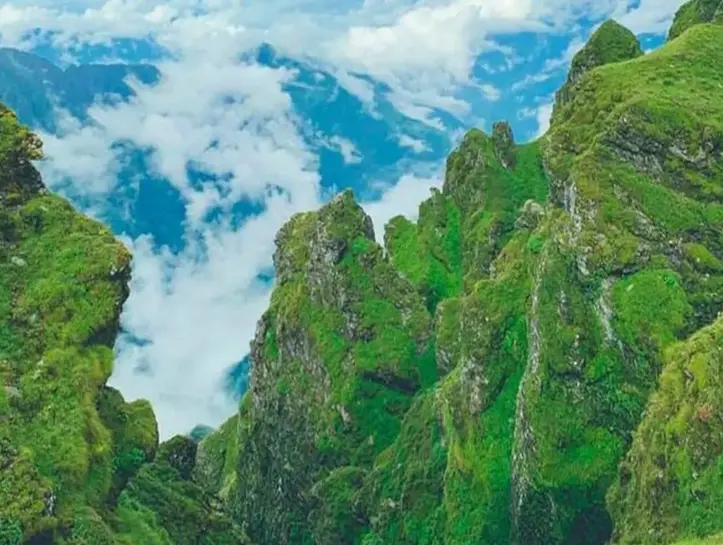
The Pikey Peak Trek is a shorter journey in the lower Khumbu region, offering a newly popularized trail with exceptional mountain views. Pikey Peak itself, named for a local Sherpa deity, is one of the highest hills in the Solukhumbu area and serves as a spectacular viewpoint. From its summit at 4,065 meters, trekkers are rewarded with breathtaking sunrise and sunset panoramas of Himalayan ranges, including Mount Everest, Makalu, and Annapurna.
This trek provides an opportunity to explore charming traditional villages, ancient Buddhist monasteries, and chhortens, with a visit to the notable Thupten Chholing Monastery. During festival times, visitors may witness unique local rituals performed by Shamans.
Trek Highlights:
- A shorter, newly established trail in the lower Khumbu region.
- An alternative Sherpa trail to the more frequented Everest routes.
- Ascend to Pikey Peak (4,065m), a premier hill station offering impressive views of high mountains.
- Experience the rich natural and cultural diversity of the region.
Detail Itinerary
Day 01: Arrival in Kathmandu and transfer to Hotel.
Meals: BB/ Full Board
Max Altitude: Kathmandu (1,400 m/4,592 ft)
Accommodation: Hotel
Day 02: Fly from Kathmandu to Phaplu and Trek to Salleri.
Meal: BB/ Full Board
Max Altitude: Phaplu (2,470 m/8,101 ft) and Salleri (2,390 m/7,839 ft)
Accommodation: Teahouses/ Lodges
Day 03: Trek from Salleri to Ghunsa.
Meals: BB/ Full Board
Max Altitude: Ghunsa (2,250 m/7,380 ft).
Accommodation: Teahouses/ Lodges
Day 04: Trek from Ghunsa to Pattale.
Meals: BB/ Full Board
Max Altitude: Pattale (2,840 m/9,315 ft).
Accommodation: Teahouses/ Lodges
Day 05: Trek from Pattale to Jhapre.
Meals: BB/ Full Board
Max Altitude: Jhapre (2,820 m/9,249 ft).
Accommodation: Teahouses/ Lodges
Day 06: Trek from Jhapre to Pikey peak.
Meals: BB/ Full Board
Max Altitude: Pikey peak (4,065 m/13,333 ft).
Accommodation: Teahouses/ Lodges
Day 07: Trek from Pikey peak to Junbesi.
Meals: BB/ Full Board
Max Altitude: Junbesi (2,675 m/8,774 ft).
Accommodation: Teahouses/ Lodges
Day 08: Hike to Thuptenchholing and back to Junbesi.
Meals: BB/Full Board
Max Altitude: Thuptenchholing (3,100m/10,168ft)
Accommodation: Teahouses/Lodges
Day 09: Trek from Junbesi to Phaplu.
Meal: BB/Full Board
Max Altitude: Phaplu (2,470m/8,101ft).
Accommodation: Teahouses/Lodges
Day 10: Fly from Phaplu to Kathmandu.
Meals: BB/ Full Board
Max Altitude: Kathmandu (1,400 m/4,592 ft)
Accommodation: Hotel
Day 11: Farewell. Departure transfer to Tribhuvan International Airport.
Meals: BB/ Full Board
Max Altitude: Tribhuvan Internation Airport (1,338 m/4390 ft)
Equipment Checklist
Embarking on the Annapurna Seven Pass trek is a thrilling adventure that requires meticulous preparation. Ensuring you have the right gear can make the difference between a comfortable journey and a challenging one. In this guide, we’ll walk you through the essential equipment needed for the trek, from clothing layers to personal items. Whether you’re a seasoned trekker or a first-timer, our comprehensive packing list will help you get ready for the adventure of a lifetime.
1. Clothing
Base Layers: Thermal tops and bottoms for warmth.
Mid Layers: Fleece jacket for insulation.
Outer Layer: Insulated down jacket (recommended for high altitudes).
Rainproof/Windproof Jacket and Pants: Essential for unpredictable weather.
Trekking Pants: Lightweight, quick-drying pants for daytime trekking.
Warm Hat and Sun Hat: A warm beanie for cold weather, and a wide-brimmed hat or cap for sun protection.
Gloves: Waterproof insulated gloves and lightweight inner gloves.
Socks: Wool socks for cold weather and moisture-wicking socks for trekking.
Gaiters: To keep mud, snow, and debris out of your boots.
2. Footwear
Hiking Boots: Sturdy, waterproof boots with good ankle support.
Camp Shoes/Sandals: For comfort when relaxing in the tea houses or lodges.
3. Sleeping Gear
Sleeping Bag: Rated for -10°C to -20°C to withstand cold nights in higher altitudes.
Sleeping Bag Liner: Adds warmth and keeps your sleeping bag clean.
4. Backpack and Accessories
Daypack (25-30 liters): For carrying essentials like water, snacks, and layers.
Duffel Bag: Large, durable bag for porters to carry; waterproof covers are recommended.
Rain Cover: For protecting your daypack from rain.
Trekking Poles: Helpful for stability and reducing stress on knees.
5. Hydration and Nutrition
Water Bottles and/or Hydration Bladder: With at least 2-3 liters capacity.
Water Purification Tablets or Filter: To treat water on the trail.
Snacks: High-energy snacks like energy bars, nuts, and chocolates.
6. Personal and Miscellaneous Items
Headlamp with Extra Batteries: Essential for early morning treks or dark trails.
Sunglasses: UV-protective, high-quality sunglasses to protect against the intense high-altitude sun.
Sunscreen and Lip Balm: High SPF for sun protection.
Basic First Aid Kit: Include band-aids, blister treatment, antiseptics, painkillers, altitude sickness medication, and any personal medications.
Toiletries: Eco-friendly soap, toilet paper, hand sanitizer, and wet wipes.
Camera and Extra Batteries: Since charging can be costly and unreliable at high altitudes.
7. Documents and Money
Passport and Permits: Passport, visa,TIMS card, and entry permit.
Cash: ATMs are not reliable in the mountains, so bring enough Nepali cash for personal expenses.
Frequently Asked Questions
The best season for Pikey Peak Trail Trekking is during Spring (March, April and May) and Autumn (October and November). During these seasons the weather will be clear, you will get long sunlight hours, fewer bugs, flowers will bloom on the way, the charm of the atmosphere can be felt by the heart, magnificent views of the Himalayas can be seen and you can escape the crowd and enjoy the pleasure of trekking.
Pikey Peak Trail Trekking is considered as a moderate trek. There are numerous challenges like the rugged terrain, steep slopes, trekking route through stone stairs and continuous walk of 5 to 6 hours per day. That being said, Pikey Peak Trail Trekking can be done by travelers who are physically fit.
Yes!! The Internet is accessible during Pikey Peak Trail Trekking. You can access the 3G network on mobile phones. The mobile internet is fast enough to browse and even make video calls. You will get continuous signal during the whole trek but there will be certain dark spots along the trek where connection may drop. There are limited WiFi hotspots during the trek which will charge for usage only some will let you use it for free. So, for internet access we recommend you to buy a SIM and use 3G.
All the equipment/accessories required for trekking will be arranged for you. You will have to pay the amount for equipment. If you personally want to manage any equipment by yourself it’s fine. We have created The Ultimate Trekking Checklist page for your help as It is always better to carry the essential gears and accessories.
Yes!! You can charge mobile phones and camera batteries during the trek. At most of the places you will get to charge for free but at some places you have to pay some amount to charge. Remember that It is always better to bring power bank with you which will be helpful.
Didn't we answer your questions? Visit our help center.
Cancellations
Full refund if cancelled 15 days prior; 50% refund if cancelled 8–14 days prior; no refund if cancelled within 7 days due to finalized arrangements. Cancellations to be made in writing (email/message); in cases of severe weather, natural events, or government restrictions, tours may be rescheduled/credited for future use; travel insurance is recommended.
Read more terms & conditions