
Trip Facts
Manaslu Region
7 Am
10 Days
English, Hindi, Japanese, Urdu
DAY 01: Arrive in Kathmandu and transfer to hotel.
DAY 02: Drive from kathmandu to Syabrubesi.
DAY 03: Trek from Syabrubesi to Gatlang.
DAY 04: Trek from Gatlang to Somdang via Parvati Kund and Yuri Kharka.
DAY 05: Trek from Somdang to Tipling via Pangsang Pass.
DAY 06: Trek from Tipling to Chalish Gaon.
DAY 07: Trek to Chalish Gaon to Borang.
DAY 08: Drive from Borang to Dhading Besi.
DAY 09: Drive from Dhading Besi to Kathmandu.
DAY 10: Final departure. Drop to Airport as per flight Schedule.
Any
- Ruby Valley trek in Ganesh Himal region, known for precious ruby stones.
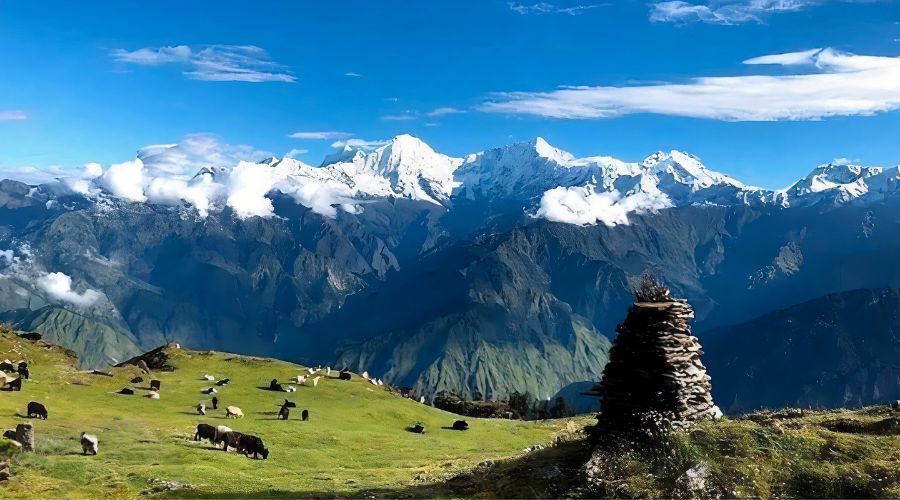
- Views of Lamjung Himal, Langtang Lirung, Manaslu, and other snow-capped peaks.
- Features Ganga and Jamuna waterfalls and culturally rich Tamang, Gurung, and Chhetri villages.
- Offers homestay experiences and insight into diverse local lifestyles.
Pick up from the airport
Drop back at the airport
- Required numbers of time Airport pick up and drop off as per your flight schedule (international and domestic). All required transfers in Kathmandu too.
- 2 Night’s accommodation in touristic town of Kathmandu in BB Plan (one can choose budget, standard and deluxe).
- Kathmandu – Syabru Besi and Darkha Phedi – Kathmandu both way transportation by private/sharing.
- Standard tea house (lodge) accommodation during the entire trekking as per mentioned in itinerary.
- Three meals per day (Breakfast, Lunch & Dinner) during the entire trek as per mentioned in itinerary.
- A duffel bag, Trekking Map.
- Sleeping Bag, Down Jacket, Nepali SIM card (Rental basis, if needed).
- TIMS (Trekker’s Information Manual System) permit.
- An experienced government certified local Trekking Guide.
- Required numbers of highly experienced trekking porters (2:1 ratio).
- Staff’s foods, salary, insurance, accommodation, meals, transportation etc.
- General first Aid Kit.
- A certificate of appreciation (experience certificate) after completing the Trek.
- Farewell Dinner in Kathmandu with cultural program.
- All government taxes and applicable paperwork.
- International Airfare.
- Personal Travel Insurance (essential for high altitude trekking).
- Lunch and dinner in Kathmandu.
- Personal expenses (bar, laundry, personal shopping).
- Alcoholic beverage.
- TIPS for Staff.
Introduction
Trekking at Ruby valley trek route takes towards one of the quaint and charming places of Nepal. Uncovers the spectacular mountains creating a great glory in the atmosphere. Along with this, the opportunities to explore the Nepali culture and tradition by getting mix with community people. Experiencing the lifestyle for certain period. Take a scenic from Kathmandu to Syabrubesi and start a walk towards Gatlang village.
Ruby Valley Trek
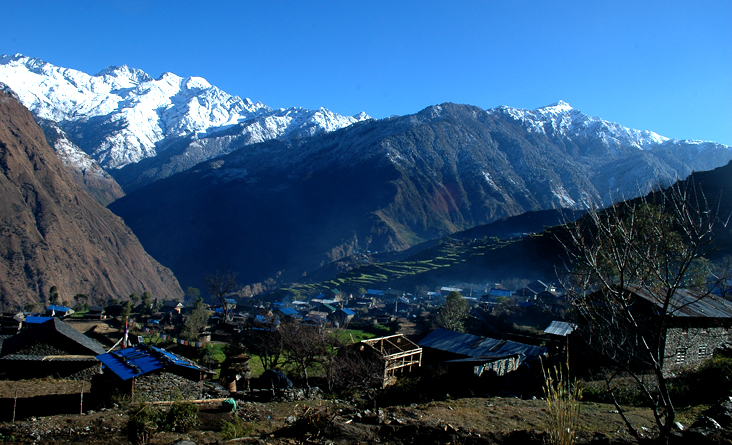
Ghatlang village, where mostly thee inhabitation is done by Tamang people comprise of many hills and scared temples worth visiting. Take a step forward to climb the steeply landscapes and an enchanting forest covered by pine and colourful Rhododendron flowers along with a walk towards Somdang river. The heartily welcome done by community people for the travellers are one of the pleasing things every person feels and delight about. Get to know the Tamang and sherpas lifestyle of this place and the cultural habits they follow can be amazingly new to most of the visitors.
Pangsang Pass & Tatopani
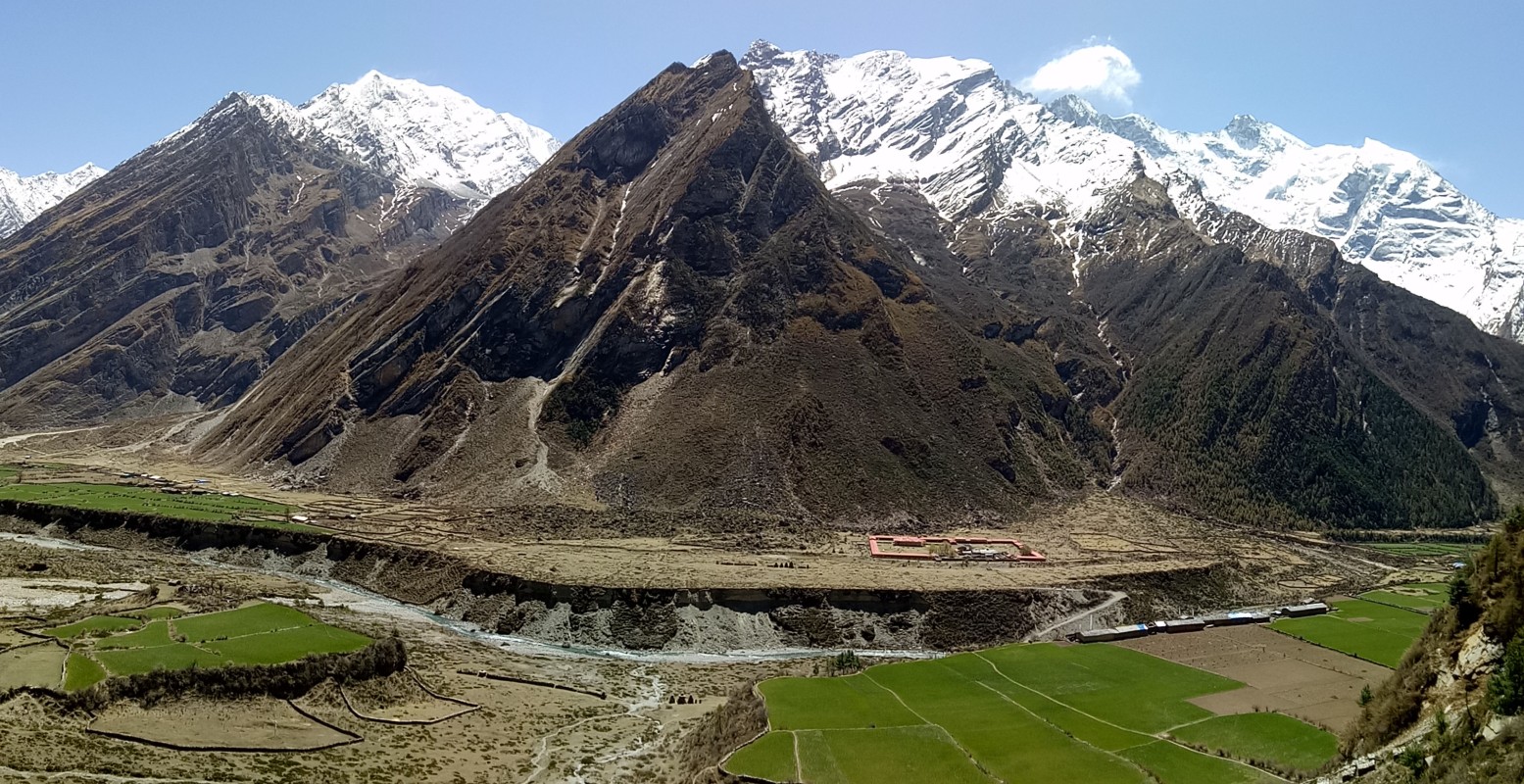
The home stay, exploration of remote villages and the mind blowing view of astonishing mountains such as- Ganesh Himal, the mountain named after the elephant-headed god Ganesh, Langtang Lirung, Boudha Himal, Hiunchuli Dorje Lakpa, Manaslu and numerous snow-capped peaks making the trekkers amazed with its splendid beauty. The travelers get to walk through all kind of landscapes, numbers of river bridges, lush forest and less travelled golden villages. A route following the greenery of terraced farmland, cattle grazing and crystalline waterfalls takes towards Tipling via Pangsang Pass. The travellers can take a hot bath at the natural hot spring (Tatopani) and return back to Chalish Gaon. Return towards Kathmandu from Darkha Fedi by experiencing different kind of trial comprising of every small little things pleasing the trekkers. This trial can be exclusively new to every visitor to explore new kind of trekking trail.
Few Things to Know Before Your Trip
Away from busy trails, the Ruby Valley Trek unfolds quiet beauty through high passes and hidden villages. Expect raw scenery where snow peaks meet green hills, shaped by seasons without crowds. Culture thrives here – Tamang traditions live in stone homes, prayer flags flutter above narrow paths. Gurung stories echo in village chants after dusk falls. Few come, so help may take time if weather turns harsh. Roads fade into footpaths; every step demands thought about supplies, rest, timing. Mountain light shifts fast – mornings clear, skies cloud by afternoon. Travel slow, stay alert, respect how far you are from aid
Finding your way here isn’t always straightforward – thick woods, winding routes, village trails blend together. Though possible alone, going solo means missing key context. Someone who knows the region keeps you on track. Their knowledge prevents missteps. They point out what maps never show. Trust forms step by step, person to person.
At heights near 4,000 meters, your body needs time to adjust – skipping rest days raises risks. That’s when problems like dizziness or nausea can start creeping in. Moving slow helps, especially after climbing higher the day before. Breathing changes up there, making every step feel heavier than down low. Staying hydrated matters more once the air gets thin. Sudden headaches? A sign it might be wise to pause awhile. Rushing brings trouble; patience keeps you on track.
Sunny days pop up most often when spring rolls around, lasting through May. By September, autumn steps in with calm air and mild temperatures. Heavy rains arrive during monsoon season, sometimes washing out trails. Winter? That brings icy paths plus shorter daylight hours. Snow piles high in higher areas, making movement slow.
Few places to stay, mostly simple rooms in local homes. Money must be brought along – no banks nearby, very few stores around either.
Expect spotty phone signals. Internet access might not happen at all. Silence could stretch on for hours without warning.
Start with layers if you’re heading out – cold weather waits for no one. A sleeping bag should make it into your pack, along with solid boots built for rough ground. Food between meals? Toss in extra snacks just in case. If you rely on certain medicines, carry enough from home – they might be hard to find once you arrive. Specialized equipment could also run short where you’re going.
Walking through old villages means fitting in quietly. Wear clothes that cover well out of habit. Snapshots of people need a quick yes first. Tread so the land stays as it was. What you carry in, carry out completely.
Even with its difficulties, the journey through Ruby Valley brings deep satisfaction. Wild spaces unfold without trace of human reach. Quiet views stretch across valleys and peaks. A true Himalayan encounter waits here, removed from busy trails.
Detail Itinerary
DAY 01: Arrive in Kathmandu and transfer to hotel.
Duration: Approx. 20-30 minutes drive
Distance: 7 km
Our company representative will welcome you at International Airport and drive to hotel. Preparation and briefing about the trip.
Meals:BB/ Full Board
Max Altitude:Kathmandu (1,400 m/4,592 ft).
Accommodation:Hotel
DAY 02: Drive from kathmandu to Syabrubesi.
Duration: Approx. 7-8 hrs. drive
Distance: Approx. 122 km
Trek via Chawatar with lunch stop, passing lush timbers and Tamang town lets. Engage Visit Gatlang, a traditional Tamang agreement with gravestone houses and artistic charm.
Meals:BB/ Full Board
Max Altitude:Syabru Besi (1,500 m/4,921 ft).
Accommodation:Teahouses/ Lodges
DAY 03: Trek from Syabrubesi to Gatlang.
Duration: Approx. 4-5hrs. trek
Distance: Approx. 11 km
Trek via Chawatar with lunch stop, passing lush timbers and Tamang town lets. Engage Visit Gatlang, a traditional Tamang agreement with gravestone houses and artistic charm.
Meals:BB/ Full Board
Max Altitude:Gatlang (2,238 m/7,342 ft).
Accommodation:Teahouses/ Lodges
DAY 04: Trek from Gatlang to Somdang via Parvati Kund and Yuri Kharka.
Duration: Approx. 5-6 hrs. trek
Distance: Approx. 14 km
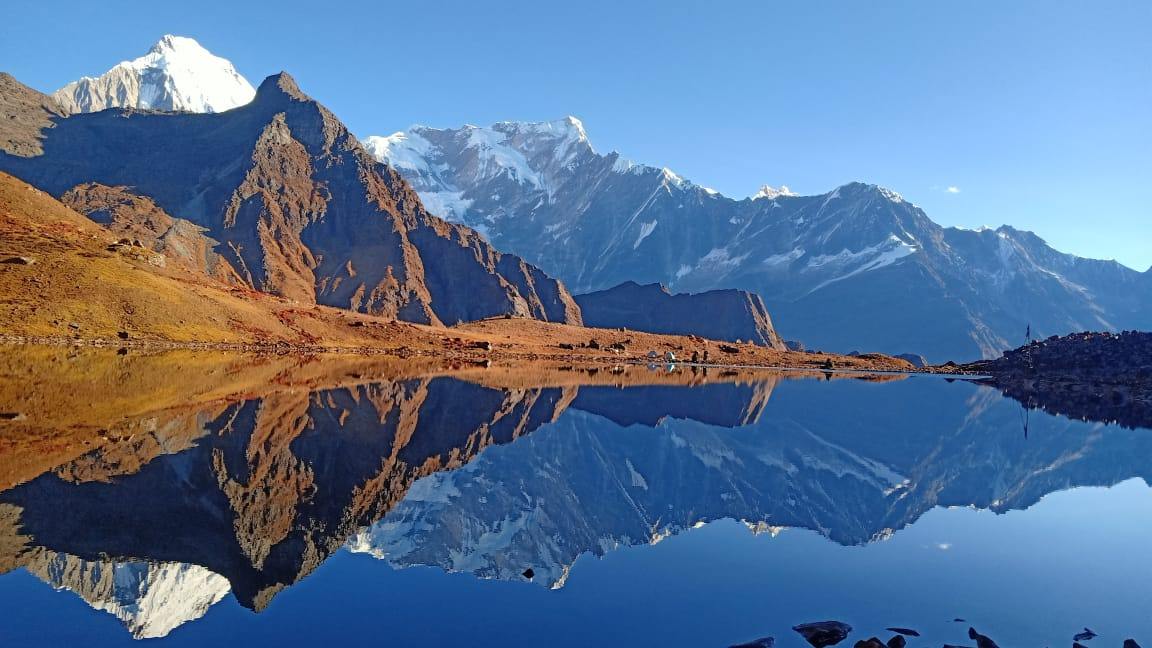
Scenic highlights include the holy Parvati Kund Lake, alpine ranges, and stunning mountain views. Engage Interact with locals in seasonal yak ranges, substantiation rhododendron timbers.
Meals:BB/ Full Board
Max Altitude:Somdang (3,271 m/10,731 ft)
Accommodation:Teahouses/ Lodges
DAY 05: Trek from Somdang to Tipling via Pangsang Pass.
Duration: Approx. 8-9 hrs. trek
Distance: Approx. 16-17 km
Cross the panoramic Pangsang Pass with stirring views of Ganesh Himal, Manaslu, and Langtang ranges. Engage Enjoy wide geographies, photography openings, and descend to the lovely village of Tipling.
Meals:BB/ Full Board
Max Altitude:Tipling via Pangsang Pass (3,842 m/12,604 ft)
Accommodation:Teahouses/ Lodges
DAY 06: Trek from Tipling to Chalish Gaon.
Duration: Approx. 2-3 hrs. trek
Distance: Approx. 10 km
Short journey through terraced hills and traditional town lets. Engage explore Chalish, a Gurung village known for warm hospitality, traditional balls, and village walks.
Meals:BB/ Full Board
Max Altitude:Chalish Gaon (1875 m/6151 ft).
Accommodation:Teahouses/ Lodges
DAY 07: Trek to Chalish Gaon to Borang.
Duration: Approx. 4-5 hrs. trek
Distance: Approx. 11 km
Trek 4-5hrs from Chalish Gaon to Boraling through downhill.
Meals:BB/ Full Board
Max Altitude:Borang (1755 m/5151 ft).
Accommodation:Teahouses/ Lodges
DAY 08: Drive from Borang to Dhading Besi.
Easy 4-5 hours drive journey through pastoral geographies before driving back along winding roads. Engage Last chance to witness authentic village life, tilling sundecks, and scenic drive down to Dhading Besi.
Meals:BB/ Full Board
Max Altitude:Dhading Besi (580 m)
Accommodation:Hotel
DAY 09: Drive from Dhading Besi to Kathmandu.
Drive back to Kathmandu from Dhading Besi around 5-6 hours, through graphic denes and hills. Engage Reflect on journey gests and enjoy final country decors.
Meals:BB/ Full Board
Max Altitude:Kathmandu (1,400 m/4,592 ft)
Accommodation:Hotel
DAY 10: Final departure. Drop to Airport as per flight Schedule.
Duration: Approx. 20-30 minutes drive
Distance: Approx. 7 km
Our representative will drop you at International Airport as per your flight schedule.
Meals:BB/ Full Board
Max Altitude:Tribhuvan Internation Airport (1,338 m/4390 ft)
Equipment Checklist
Embarking on the Ruby Valley Trek is a thrilling adventure that requires meticulous preparation. Ensuring you have the right gear can make the difference between a comfortable journey and a challenging one. In this guide, we’ll walk you through the essential equipment needed for the trek, from clothing layers to personal items. Whether you’re a seasoned trekker or a first-timer, our comprehensive packing list will help you get ready for the adventure of a lifetime.
1. Clothing
Base Layers: Thermal tops and bottoms for warmth.
Mid Layers: Fleece jacket for insulation.
Outer Layer: Insulated down jacket (recommended for high altitudes).
Rainproof/Windproof Jacket and Pants: Essential for unpredictable weather.
Trekking Pants: Lightweight, quick-drying pants for daytime trekking.
Warm Hat and Sun Hat: A warm beanie for cold weather, and a wide-brimmed hat or cap for sun protection.
Gloves: Waterproof insulated gloves and lightweight inner gloves.
Socks: Wool socks for cold weather and moisture-wicking socks for trekking.
Gaiters: To keep mud, snow, and debris out of your boots.
2. Footwear
Hiking Boots: Sturdy, waterproof boots with good ankle support.
Camp Shoes/Sandals: For comfort when relaxing in the tea houses or lodges.
3. Sleeping Gear
Sleeping Bag: Rated for -10°C to -20°C to withstand cold nights in higher altitudes.
Sleeping Bag Liner: Adds warmth and keeps your sleeping bag clean.
4. Backpack and Accessories
Daypack (25-30 liters): For carrying essentials like water, snacks, and layers.
Duffel Bag: Large, durable bag for porters to carry; waterproof covers are recommended.
Rain Cover: For protecting your daypack from rain.
Trekking Poles: Helpful for stability and reducing stress on knees.
5. Hydration and Nutrition
Water Bottles and/or Hydration Bladder: With at least 2-3 liters capacity.
Water Purification Tablets or Filter: To treat water on the trail.
Snacks: High-energy snacks like energy bars, nuts, and chocolates.
6. Personal and Miscellaneous Items
Headlamp with Extra Batteries: Essential for early morning treks or dark trails.
Sunglasses: UV-protective, high-quality sunglasses to protect against the intense high-altitude sun.
Sunscreen and Lip Balm: High SPF for sun protection.
Basic First Aid Kit: Include band-aids, blister treatment, antiseptics, painkillers, altitude sickness medication, and any personal medications.
Toiletries: Eco-friendly soap, toilet paper, hand sanitizer, and wet wipes.
Camera and Extra Batteries: Since charging can be costly and unreliable at high altitudes.
7. Documents and Money
Passport and Permits: Passport, visa,TIMS card, and entry permit.
Cash: ATMs are not reliable in the mountains, so bring enough Nepali cash for personal expenses.
Frequently Asked Questions
Ruby Valley Trek Is Considered moderately difficult trek. You will encounter challenging routes and remote areas where services will be limited. There are numerous challenges like the rugged terrain, steep slopes, trekking route through stone stairs and continuous walking of 5 to 6 hours per day. That being said, the Ruby Valley Trek can be done by travelers who have the right attitude and are physically fit.
The prime time for trekking Ruby Valley is during Spring (March, April and May) and Autumn (October and November). During these seasons the weather will be clear, you will get long sunlight hours, fewer bugs, flowers will bloom on the way, the charm of the atmosphere can be felt by the heart, magnificent views of the Himalayas can be seen and you can escape the crowd and enjoy the pleasure of trekking.
Normally, Within 12-24 hours after ascending a certain height(1,500 to 2,500 meter above sea level) altitude sickness symptoms like dizziness, fatigue, loss of appetite, sleep problems, loss of energy, and shortness of breath are seen. In case of any altitude sickness symptoms we will apply medication and descend immediately for acclimatization.
Due to the advancement of the trekking industry, we can find enough lodges and tea houses throughout Ruby Valley trekking routes. They offer good food and accommodation. There are different options you can choose according to your needs and budget. Also you should know that at high altitude and remote places the service will be limited.
The permits Required for Ruby Valley Trek are:
Langtang National Park Permit (LNPP)
Trekkers Information Management System (TIMS)
According to the standard itinerary our Ruby Valley Trek is of 18 days from your arrival to Kathmandu to farewell at Airport. If you wish to amend the itinerary you have to contact our booking manager; he will prepare the itinerary according to your needs.
Ruby Valley is in central Nepal, nestled between the Ganesh Himal and Langtang regions. It’s remote, quiet, and packed with untouched natural beauty.
The highest point is around 4,000 meters (13,100 ft). You’ll enjoy panoramic Himalayan views without going into extreme altitudes.
If you’re physically fit and ready for some adventure, you can do it—but prior trekking experience helps. A guide is highly recommended.
Teahouses serve basic meals, usually rice, noodles, and local dishes. Bring some snacks or energy bars for long days.
Ruby Valley is very quiet. You’ll see few other trekkers and enjoy the peace of real wilderness.
It’s all about untouched nature, traditional Tamang and Gurung villages, and incredible Himalayan scenery. You leave the crowds behind and really feel the mountains.
All the equipment/accessories required for trekking will be arranged for you.You will have to pay the amount for equipment. If you personally want to manage any equipment by yourself it’s fine. We have created The Ultimate Trekking Checklist page for your help as It is always better to carry the essential gears and accessories.
Yes!! The Internet is accessible during the Ruby Valley Trek. You can access the 3G network on mobile phones. The mobile internet is fast enough to browse and even make video calls. You will get continuous signal during the whole trek but there will be certain dark spots along the trek where connection may drop. There are limited WiFi hotspots during the trek which will charge for usage only some will let you use it for free. So, for internet access we recommend you to buy a SIM and use 3G.
Yes!! You can charge mobile phones and camera batteries during the trek. At most of the places you will get to charge for free but at some places you have to pay some amount to charge. Remember that it is always better to bring your power bank with you which will be helpful.
Qualified, well experienced, knowledgeable and reliable trekking leaders who have been working in this field professionally for more than a decade will guide you toward the destination and back. You are in safe hands with us, so don’t worry about trekking guides.
Yes!! It is recommended to have travel insurance during the trek. It is uncertain that you will not feel sick or get into any accidents during the trek. So, for medical emergencies or as precaution against risks and financial losses that could happen while traveling, insurance is best.
We hire our staffs according to their standards. They should have to go through our selection procedure on which we will check their certifications, qualifications and experience. Hence, our staffs are equipped/trained and insured.
Didn't we answer your questions? Visit our help center.
Cancellations
Full refund if cancelled 15 days prior; 50% refund if cancelled 8–14 days prior; no refund if cancelled within 7 days due to finalized arrangements. Cancellations to be made in writing (email/message); in cases of severe weather, natural events, or government restrictions, tours may be rescheduled/credited for future use; travel insurance is recommended.
Read more terms & conditions