
Trip Facts
7 Am
17 Days
English, Hindi, Japanese, Urdu
DAY 01: Arrive in Kathmandu and transfer to hotel.
DAY 02: Drive from Kathmandu to Pokhara.
DAY 03: Fly to Jomsom and trek to Kagbeni.
DAY 04: Trek from Kagbeni to Chele.
DAY 05: Trek from Chele to syanbochen.
DAY 06: Trek from Syanbochen to Ghami .
DAY 07: Trek from Ghami to Tsarang.
DAY 08: Tsarang to Lo Manthang.
DAY 09: Witness the Tiji festival starting in the afternoon.
DAY 10: Tiji Festival Day 2.
DAY 11: Tiji Festival Day 3
DAY 12: Trek from Lo Manthang to Drakmar.
DAY 13: Trek from Drakmar to Ghiling.
DAY 14: Trek Ghiling to Chhuksang.
DAY 15: Trek from Chhuksang to jomsom.
DAY 16: Fly from Jomsom to Pokhara.
DAY 17: Drive or Fly back to Kathmandu.
DAY 18: Final departure. Drop to inetrnation Airport as per flight schedule.
Any
- Meaning: “Tiji” means “hope for the dharma” / “prayer for world peace.” It reenacts a myth where a deity defeats a demon.
- When: Annual 3-day festival in Lo Manthang, Upper Mustang, usually in May/early June.
- Performance: Monks perform ritual dances over three days depicting the demon’s menace, its defeat, and the restoration of peace.
- Significance: A major cultural and religious event for Tibetan Buddhism in Nepal, celebrating the triumph of good and communal prayer.
Pick up from airport
Drop back at the airport
- Required numbers of time Airport pick up and drop off as per your flight schedule (international and domestic). All required transfers in Kathmandu too.
- 2 Night’s accommodation in touristic town of Kathmandu in BB Plan (one can choose budget, standard and deluxe).
- Kathmandu to Pokhara and Pokhara to Kathmandu transportation (Flight/Private vehicle/Tourist coach – choose as per your Package type).
- 2 Night’s accommodation in Lake side Pokhara in BB Plan.
- Pokhara to Jomsom and Jomsom to Pokhara drive by Flight.
- Standard tea house (lodge) accommodation during the entire trekking as per mentioned in itinerary.
- Three meals per day (Breakfast, Lunch & Dinner) during the entire trek as per mentioned in itinerary.
- A duffel bag, Trekking Map.
- Trekking pole, Sleeping Bag, Down Jacket, Nepali SIM card (Rental basis, if needed).
- ACAP (Annapurna Conservation Area Permit).
- TIMS (Trekker’s Information Manual System) permit.
- Upper mustang restricted area permit (Special permit).
- An experienced government certified local Trekking Guide.
- Required numbers of highly experienced trekking porters (2:1 ratio).
- Staff’s foods, salary, insurance, accommodation, meals, transportation etc.
- General first Aid Kit.
- A certificate of appreciation (experience certificate) after completing the Trek.
- Farewell Dinner in Kathmandu with cultural program.
- All government taxes and applicable paperwork.
- International Airfare
- Personal Travel Insurance (essential for high altitude trekking)
- Lunch and Dinner in Kathmandu
- Personal expenses for bar, laundry, personal shopping, internet usages, hot shower and battery charge during the trek.
- Alcoholic beverage
- TIPS for Staff
Introduction
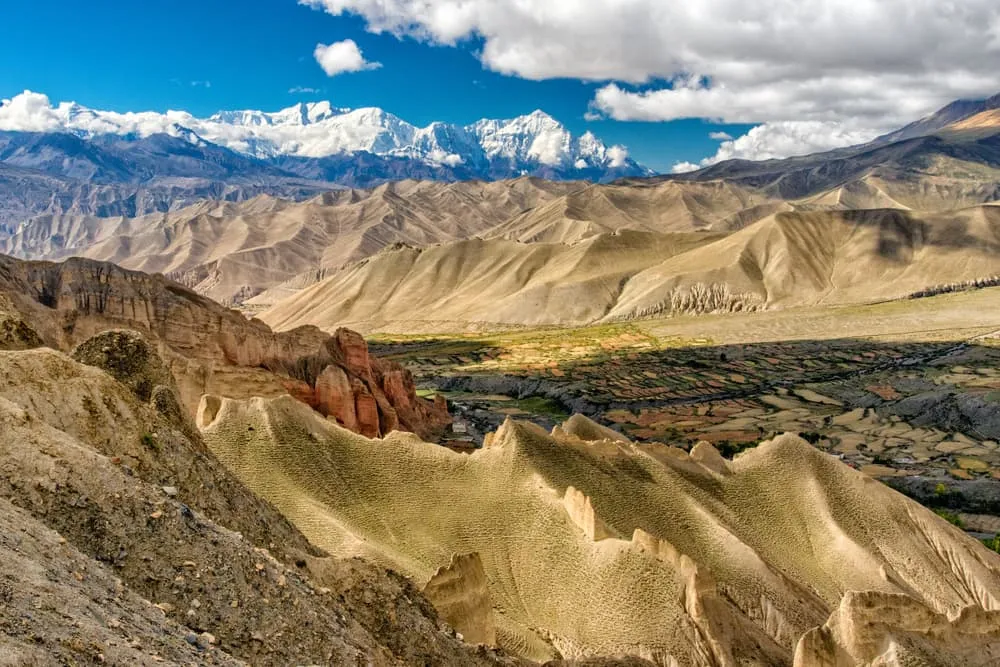
Upper Mustang Tiji Festival Trek is the privilege to trek towards the world’s most preserved area with a thrilling experience is a wonderful experience to hold once in a time. Upper Mustang region Known as the “Last Forbidden Kingdom”. It is opened since 1992 for trekkers with special authority to which a permit approved by Nepal Government is given. After all the preservation of hidden arts, cultures, and primitive lifestyle of Himalaya people resides within this territory.
Upper Mustang Tiji Festival Trek
Firstly, take a flight from Pokhara to Jomsom where the trek starts towards the Upper Mustang making it away from the unique place named “Kagbeni”. The man-made caves at Lo-Manthang at the higher cliffs seem to be a hidden story being hypothesized by many local people which can be true and lefts everyone wonder-struck. From Lo-Manthang with a spectacular picturesque of Upper Mustang to have the perfect taste of trekking to a wondrous land making a match up to extreme joy. The never-ending beauty of the Upper Mustang gives an adventure that we experience one in a lifetime. Capture it from every corner.
Tiji Festival Information
Tiji festival is a fascinating annual three-day festival consisting of Tibetan rituals that celebrate thea myth of a son who had to save the Mustang kingdom from destruction. There are two different meanings as local people believe:
“Tiji” comes from the words ten che, meaning the “hope of the dharma prevailing in all worlds,” the message Guru Rinpoche carried through this region over a thousand years ago. “Tiji” the name is an abbreviation of the word “Tempa Chirim” which means “Prayer for World Peace”. This festival commemorates the victory of Lord Buddha’s incarnation Dorjee Sonnu over a demon called Man Tam Ru a vicious creature feeding on human beings and causing storms and droughts.
The Tiji festival usually takes place around Mid May and early June for 3 days. The monks of Lo Manthang’s “Choedhe” monastery perform ritual dances during the celebration. The harassment of Ma Tam Ru Ta (in a dance called “Tsa Chham” on the first day), the birth of Dorjee Sonnu as the demon’s son (on the second day called “Nga Chham”), and then attempt to return the demon to Lord Buddha’s realm (on the third and final day) are en-act during the performances.
Note:
Every year the Tiji Festival sticks to set days, though things like storms or rough paths might shift plans a bit. Getting into Upper Mustang needs approval – it’s off-limits without a permit and someone officially guiding you; solo hiking isn’t permitted. Staying overnight while it runs means small rooms in humble places, nothing fancy just clean spaces that work. This event holds strong spiritual weight, so quiet actions help – cover your shoulders, speak softly, get permission if you want to snap pictures. Beneath a sky that rarely clouds over, breezes move steadily across open ground where daylight brings heat but darkness returns cold. Because of these shifts, wearing several light garments plus shielding skin from sunlight makes sense. Even though elevation here does not rise dangerously high, moving at a relaxed pace while drinking plenty keeps energy steady. Paying close attention to how legs feel and lungs respond shapes each step into something smoother.
Detail Itinerary
DAY 01: Arrive in Kathmandu and transfer to hotel.
Duration: Approx. 20-30 minutes drive
Distance: Approx. 7 km
Our company representative will welcome you at Tribhuwan International Airport and drive you by private vehicle to hotel. Preparation and briefing about the trip.
Meals:BB/ Full Board
Max Altitude:Kathmandu (1,400 m/4,592 ft)
Accommodation:Hotel
DAY 02: Drive from Kathmandu to Pokhara.
Duration: Approx. 7-8 hrs drive
Distance: 200 km
Early in the morning, your guide will pick you up from the hotel. On the way to Pokhara offers scenic views of the Nepali countryside, rivers, terraced hills, and local villages. The bus will stop for breakfast, lunch, and tea/snack breaks along the way. Upon arrival in Pokhara, check in to your hotel and relax. In the evening, enjoy a peaceful walk around Phewa Lake.
Overnight stay in Pokhara.
Meals:BB/ Full Board
Max Altitude:Pokhara (822 m/ 3947 Ft)
Accommodation:Teahouses/ Lodges
DAY 03: Fly to Jomsom and trek to Kagbeni.
Duration: Approx.20-25 minutes flight and 2-3 hrs trek
Distance: Approx.7km (walking)
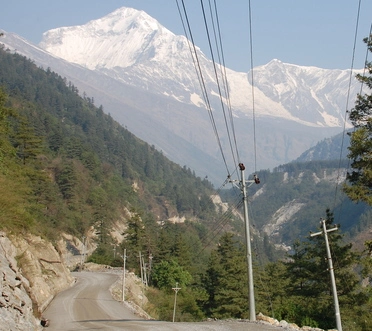
Start your day with an early morning flight from Pokhara to Jomsom. Enjoy a scenic flight between the Dhaulagiri and Annapurna ranges. After breakfast in Jomsom, begin your trek following the Kali Gandaki River. The moderate trail winds through a stunning desert-like landscape. Arrive at Kagbeni, a traditional Tibetan-style village, one of the oldest in the Himalayas. Explore the village with views of Nilgiri and surrounding peaks.
Meals:BB/ Full Board
Max Altitude:Kagbeni (2,810 m/9186 ft).
Accommodation:Teahouses/ Lodges
DAY 04: Trek from Kagbeni to Chele.
Duration: Approx. 5-6 hrs trek
Distance: Approx. 11.3 km
After breakfast, follow the east bank of the Kali Gandaki River through a wide dry valley with rugged Himalayan landscapes. After 2 hours, reach Tangbe, a charming village with whitewashed houses, narrow alleys, and apple orchards. Continue on a trail with gentle ups and downs, passing red rock formations typical of Mustang. Arrive in Chele, a peaceful village offering your first taste of Upper Mustang’s Tibetan culture and dry desert environment.
Meals:BB/ Full Board
Max Altitude:Chele (3,080m/10104ft).
Accommodation:Teahouses/ Lodges
DAY 05: Trek from Chele to syanbochen.
Duration: Approx. 5-6 hrs trek
Distance: Approx. 11.5 km
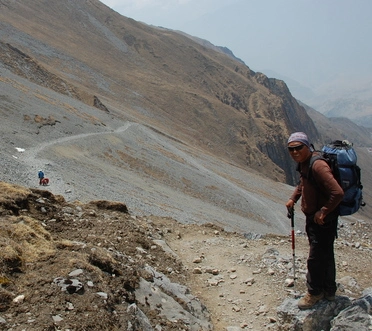
Today’s trek involves a steep ascent westward and along a deep canyon. Climb rocky trails, descend steep sections, and ascend again to a pass with views of the Kali Gandaki River and Samar village. Visit the red-painted cave monastery, Rangchyung Chorten, believed to be visited by Padmasambhava and Atisha. Trek through gorges and high cliffs before reaching Syanbochen.
Meals:BB/ Full Board
Max Altitude:Syanbochen (3,475 m/11,401 ft)
Accommodation:Teahouses/ Lodges
DAY 06: Trek from Syanbochen to Ghami .
Duration: Approx. 5-6 hrs trek
Distance: Approx. 9.2 km
Cross three high passes today: Yanda La, Nyi La, and Ghami La. Pass through Geling village and terraced valleys, and visit red Gompas along the way. The landscape becomes more rugged as you continue. Finally, reach Ghami, the third-largest settlement in Mustang.
Meals:BB/ Full Board
Max Altitude:Ghami (3,520 m/ 11,549 ft)
Accommodation:Teahouses/ Lodges
DAY 07: Trek from Ghami to Tsarang.
Duration: Approx. 5-6 hrs trek
Distance: Approx. 11 km
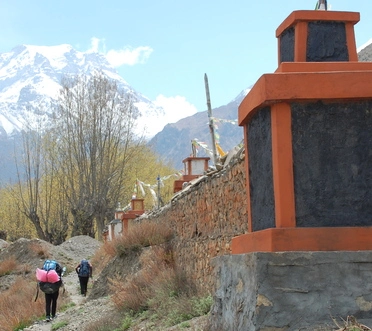
Begin with a visit to Mustang’s longest Mani wall and a group of Chortens. According to legend, this wall is built on the remains of a demon. Ascend gradually to a pass, then walk through barren lands to reach Tsarang, home to the historic Tsarang Chorten and the palace of the former capital of Lo Kingdom.
Meals:BB/ Full Board
Max Altitude:Tsarang/Charang ( 3,560 m/ 11,679 ft)
Accommodation:Teahouses/ Lodges
DAY 08: Tsarang to Lo Manthang.
Duration: Approx. 5-6 hrs trek
Distance: Approx. 11.4 km
Trek through the Charang Chu canyon and climb steeply after crossing the river. Walk past ancient ruins and dry valleys to the windy Lo La Pass. From here, the walled city of Lo Manthang comes into view. Cross a small bridge and enter this fascinating town.
Meals:BB/ Full Board
Max Altitude:Lo Manthang (3,840m/12598ft).
Accommodation:Teahouses/ Lodges
DAY 09: Witness the Tiji festival starting in the afternoon.
The monks of Lo Manthang’s “Choedhe” monastery perform ritual dances during the celebration. The harassment of Ma Tam Ru Ta (in a dance called “Tsa Chham” on the first day).
Meals:BB/ Full Board
Max Altitude:Lo Manthang (3,730m/12,234ft).
Accommodation:Teahouses/ Lodges
DAY 10: Tiji Festival Day 2.
The monks of Lo Manthang’s “Choedhe” monastery perform ritual dances during the celebration. “The birth of Dorjee Sonnu as the demon’s son” in this day.
Meals:BB/ Full Board
Max Altitude:Lo Manthang (3,730m/12,234ft).
Accommodation:Teahouses/ Lodges
DAY 11: Teji Festival Day 3
The monks of Lo Manthang’s “Choedhe” monastery perform ritual dances during the celebration. Then attempt to return the demon to Lord Buddha’s realm (on the third and final day) are en-act during the performances.
Meals:BB/ Full Board
Max Altitude:Lo Manthang (3,730m/12,234ft)
Accommodation:Teahouses/ Lodges
DAY 12: Trek from Lo Manthang to Drakmar.
Duration: Approx. 6-7 hrs trek
Distance: Approx. 17 km
Take a different route back via the Chogo La Pass. Descend gradually to Drakmar, stopping to explore the sacred Ghar Gumba, known for its rock paintings and spiritual significance.
Meals:BB/ Full Board
Max Altitude:Dhakmar (3,820m/12,529ft)
Accommodation:Teahouses/ Lodges
DAY 13: Trek from Drakmar to Ghiling.
Duration: Approx. 5-6 hrs trek
Distance: Approx. 14 km
Trek through high-walled gorges, traditional villages, and impressive Chortens. Reach Ghiling, a quiet village known for its monasteries and windy afternoons. Best time to explore is in the evening.
Meals:BB/ Full Board
Max Altitude:Ghiling (3,570 m/11,712 ft)
Accommodation:Teahouses/ Lodges
DAY 14: Trek Ghiling to Chhuksang.
Duration: Approx. 6-7 hrs trek
Distance: Approx. 17 km
Continue trekking through stunning desert landscapes and traditional settlements. Interact with locals and experience their warm hospitality. Arrive at Chhuksang for the night.
Meals:BB/ Full Board
Max Altitude:Chhuksang (2,980 m/ 9,777 ft).
Accommodation:Teahouses/ Lodges
DAY 15: Trek from Chhuksang to jomsom.
Duration: Approx. 6-7 hrs trek
Distance: Approx. 22 km
Trek back to Kagbeni and rejoin the Annapurna Circuit trail. Continue on to Jomsom, the district headquarters of Mustang, known for its excellent facilities and views of Mount Nilgiri.
Meals:BB/ Full Board
Max Altitude:Jomson (2,720 m/8,924 ft)
Accommodation:Teahouses/ Lodges
DAY 16: Fly from Jomsom to Pokhara.
Duration: Approx.20-25 minutes flight
Distance: Approx. 68km
Take an early morning flight from Jomsom to Pokhara. Enjoy the short scenic flight between the Himalayas. Spend the day relaxing or exploring lakeside Pokhara.
Meals:BB/ Full Board
Max Altitude:Pokhara (822 m/ 3947 Ft)
Accommodation:Hotel
DAY 17: Drive or Fly back to Kathmandu.
Duration: Approx. 7-8 hrs drive / 20-30 minutes Flight
Distance: Approx. 200 km
After early breakfast, we drive or flight back to Kathmandu. In drive the journey offers beautiful views of rivers, green hills, and rural villages. Upon arrival in Kathmandu, transfer to your hotel for a relaxing evening.
Meals:BB/ Full Board
Max Altitude:Kathmandu (1,400 m/4,592 ft)
Accommodation:Hotel
DAY 18: Final departure. Drop to inetrnation Airport as per flight schedule.
Duration: Approx. 20-30 minutes drive
Distance: Approx. 7 km
Our representative will drop you at International Airport as per your flight schedule.
Meals: BB/Full Board
Max Altitude: Tribhuvan Internation Airport (1,338 m/4390 ft)
Equipment Checklist
Embarking on the Upper Mustang Tiji Festival Trek is a thrilling adventure that requires meticulous preparation. Ensuring you have the right gear can make the difference between a comfortable journey and a challenging one. In this guide, we’ll walk you through the essential equipment needed for the trek, from clothing layers to personal items. Whether you’re a seasoned trekker or a first-timer, our comprehensive packing list will help you get ready for the adventure of a lifetime.
1. Clothing
Base Layers: Thermal tops and bottoms for warmth.
Mid Layers: Fleece jacket for insulation.
Outer Layer: Insulated down jacket (recommended for high altitudes).
Rainproof/Windproof Jacket and Pants: Essential for unpredictable weather.
Trekking Pants: Lightweight, quick-drying pants for daytime trekking.
Warm Hat and Sun Hat: A warm beanie for cold weather, and a wide-brimmed hat or cap for sun protection.
Gloves: Waterproof insulated gloves and lightweight inner gloves.
Socks: Wool socks for cold weather and moisture-wicking socks for trekking.
Gaiters: To keep mud, snow, and debris out of your boots.
2. Footwear
Hiking Boots: Sturdy, waterproof boots with good ankle support.
Camp Shoes/Sandals: For comfort when relaxing in the tea houses or lodges.
3. Sleeping Gear
Sleeping Bag: Rated for -10°C to -20°C to withstand cold nights in higher altitudes.
Sleeping Bag Liner: Adds warmth and keeps your sleeping bag clean.
4. Backpack and Accessories
Daypack (25-30 liters): For carrying essentials like water, snacks, and layers.
Duffel Bag: Large, durable bag for porters to carry; waterproof covers are recommended.
Rain Cover: For protecting your daypack from rain.
Trekking Poles: Helpful for stability and reducing stress on knees.
5. Hydration and Nutrition
Water Bottles and/or Hydration Bladder: With at least 2-3 liters capacity.
Water Purification Tablets or Filter: To treat water on the trail.
Snacks: High-energy snacks like energy bars, nuts, and chocolates.
6. Personal and Miscellaneous Items
Headlamp with Extra Batteries: Essential for early morning treks or dark trails.
Frequently Asked Questions
Tiji is a 3-day ancient Buddhist festival held in Lo Manthang, celebrating the victory of good over evil. It’s filled with colorful masked dances, rituals, and centuries-old traditions that you won’t see anywhere else.
It’s not just a trek—it’s a cultural journey. You’ll walk through the remote landscapes of Upper Mustang and experience the Tiji Festival at its heart, surrounded by monasteries, monks, and local villagers.
The trek is moderate. You’ll walk 5–6 hours a day on mostly dry, open trails. No technical climbing is involved, but being reasonably fit makes the experience much more enjoyable.
Not necessarily. If you’re fit and comfortable walking for several days in a row, you can do this trek. Prior trekking experience is helpful but not required.
Most of the trek stays between 3,000–4,000 meters. Altitude sickness is uncommon but still possible, so walking slowly and staying hydrated is important.
Yes. Upper Mustang is a restricted area, so a special permit and a licensed guide are mandatory. This also helps preserve the region’s culture and environment.
Lodges are basic but comfortable. During the festival, rooms may be shared due to high demand. Expect warm hospitality, simple meals, and rustic charm.
The trek is timed around the Tiji Festival (usually in May), which also offers dry weather, clear skies, and great mountain views.
Yes, but always be respectful. Avoid using flash, don’t interrupt ceremonies, and ask before photographing monks or locals.
Yes, with a guide and proper planning. The region is peaceful, and locals are welcoming. Following your guide’s advice ensures a smooth and safe journey.
This trek is perfect for travelers who love culture, history, photography, and unique experiences, and want something beyond a typical mountain trek.
We only need one permit to trek to Upper Mustang Tiji Festival Trek 2023 that is:
Restricted Area Permit (RAP) – US$ 500 per person for minimum 10 days and extra 50$ cost per day
All the equipment/accessories required for trekking will be arranged for you.You will have to pay the amount for equipment. If you personally want to manage any equipment by yourself it’s fine. We have created The Ultimate Trekking Checklist page for your help as It is always better to carry the essential gears and accessories.
Out there on the Upper Mustang Tiji Festival Trek, staying online isn’t something you can count on. Even places such as Jomsom, Kagbeni, and Lo Manthang offer only shaky Wi-Fi – patchy, sluggish, sometimes behind a paywall. Tiny settlements sprinkled across the route? Forget finding any network there. A local SIM from NTC or Ncell could work briefly, yet reception comes and goes without warning. Spotty signals fade fast once trails twist into deeper wilderness. Grab maps, messages, and essentials ahead of time – it helps when silence hits. Long stretches pass without contact; that’s just how it unfolds. Turns out, being cut off lets you notice more – the colors, voices, stillness. Back in cities like Pokhara or Kathmandu, connections fire up again, steady and full
Yes!! You can charge mobile phones and camera batteries during the trek. At most of the places you will get to charge for free but at some places you have to pay some amount to charge. Remember that it is always better to bring your power bank with you which will be helpful.
Qualified, well experienced, knowledgeable and reliable trekking leaders who have been working in this field professionally for more than a decade will guide you toward the destination and back. You are in safe hands with us, so don’t worry about trekking guides.
Yes!! It is recommended to have travel insurance during the trek. It is uncertain that you will not feel sick or get into any accidents during the trek. So, for medical emergencies or as precaution against risks and financial losses that could happen while traveling, insurance is best.
We hire our staffs according to their standards. They should have to go through our selection procedure on which we will check their certifications, qualifications and experience. Hence, our staffs are equipped/trained and insured.
Didn't we answer your questions? Visit our help center.
Cancellations
Full refund if cancelled 15 days prior; 50% refund if cancelled 8–14 days prior; no refund if cancelled within 7 days due to finalized arrangements. Cancellations to be made in writing (email/message); in cases of severe weather, natural events, or government restrictions, tours may be rescheduled/credited for future use; travel insurance is recommended.
Read more terms & conditions